Quick Answer: What are the major cities in Egypt?
Egypt’s major cities include Cairo, Giza, Alexandria, Luxor, Aswan, Hurghada, Sharm El Sheikh, Port Said, Suez, Ismailia, Mansoura, Tanta, and Asyut. Cairo is Egypt’s capital and largest metropolitan center, while Alexandria is its principal Mediterranean city. For travelers visiting Egypt in 2027, Cairo, Giza, Luxor, Aswan, and Alexandria offer the strongest combination of ancient history, culture, museums, and famous landmarks.
Egypt’s cities are not simply different places to stay. They reveal entirely different sides of the country.
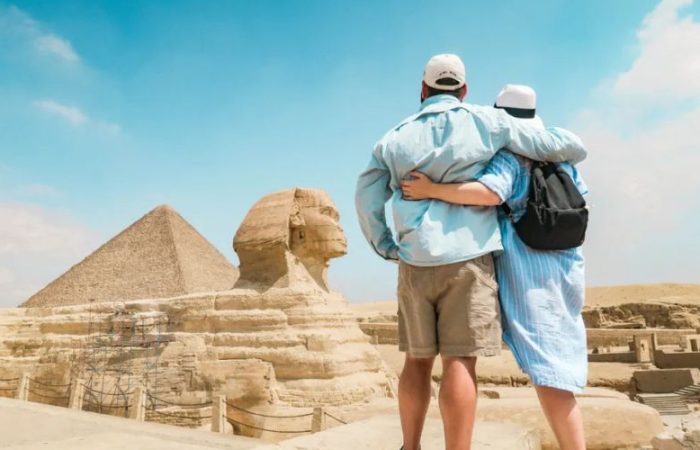
In Cairo, medieval streets lead toward historic mosques, lively markets, and modern neighborhoods. In Giza, the pyramids stand at the edge of a vast metropolitan area. Alexandria looks toward the Mediterranean, while Luxor preserves the monumental temples and royal tombs of ancient Thebes.
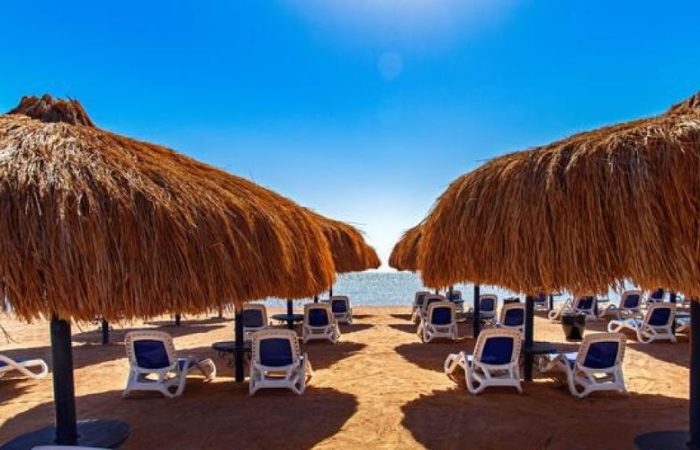
Farther south, Aswan introduces travelers to Nubian heritage, Nile islands, granite quarries, and a slower rhythm of life. Along the Red Sea, Hurghada and Sharm El Sheikh offer a different experience built around beaches, coral reefs, and marine activities.
Understanding the locations, personalities, and attractions of Egypt’s cities makes planning an itinerary considerably easier.
This 2027 guide explores the most famous cities in Egypt, important regional centers, ancient Egyptian capitals, modern urban developments, transportation options, and practical travel routes.
Egypt Cities at a Glance: Which Places Should You Visit?
The best city in Egypt depends on what you want to experience. Travelers interested in pharaonic monuments will make different choices from those planning a family beach holiday or a Mediterranean city break.
| Egypt city or destination | Region | Best known for | Suggested stay |
| Cairo | Greater Cairo | Historic districts, museums, markets | 2–4 days |
| Giza | Greater Cairo | Pyramids, Great Sphinx, Grand Egyptian Museum | 1–2 days |
| Alexandria | Mediterranean coast | Coastal heritage, Qaitbay Citadel, Bibliotheca Alexandrina | 1–2 days |
| Luxor | Upper Egypt | Karnak, Luxor Temple, Valley of the Kings | 2–3 days |
| Aswan | Southern Egypt | Philae Temple, Nubian culture, Nile islands | 2–3 days |
| Hurghada | Red Sea coast | Beaches, snorkeling, diving | 3–5 days |
| Sharm El Sheikh | South Sinai | Coral reefs, resorts, diving | 3–5 days |
| Dahab | South Sinai | Diving, relaxed coastal atmosphere | 2–4 days |
| Marsa Alam | Red Sea coast | Marine wildlife, reefs, quieter resorts | 3–5 days |
| Faiyum | Faiyum Depression | Local culture, nearby lakes and desert excursions | 1–2 days |
| Port Said | Suez Canal | Maritime heritage, waterfront | 1 day |
| Ismailia | Suez Canal | Canal scenery, gardens, local history | 1 day |
| Suez | Gulf of Suez | Canal history, maritime setting | Half day–1 day |
| Mansoura | Nile Delta | Delta city life, local food, architecture | 1 day |
| Rashid (Rosetta) | Western Nile Delta | Historic houses, Rosetta Stone connection | 1 day |
| Siwa | Western Desert | Oasis traditions, salt lakes, desert landscapes | 2–4 days |
| Marsa Matrouh | Mediterranean coast | Beaches and summer holidays | 2–4 days |
Suggested stays are travel-planning recommendations, not official minimum durations. Several cities can be combined in the same trip.
Which cities are essential for a first visit to Egypt?
For most first-time international visitors, four destinations form the strongest foundation:
- Cairo and Giza: The Egyptian capital, pyramids, museums, and Islamic and Coptic heritage.
- Luxor: Ancient temples, royal tombs, and the former city of Thebes.
- Aswan: Nubian culture, Nile scenery, Philae Temple, and access to Abu Simbel.
- Alexandria: Mediterranean history and a different perspective on Egyptian urban life.
Travelers with only seven days may prefer Cairo, Giza, Luxor, and Aswan. With ten days or more, Alexandria or the Red Sea becomes easier to include without rushing.
If you’re comparing destinations before choosing a route, explore these Egypt itinerary ideas.
Where Are Egypt’s Major Cities Located?
A map of Egypt with cities becomes easier to understand when you divide the country into geographic regions instead of looking at a long list of place names.
Egypt’s historic settlement patterns are strongly connected to the Nile River, the Nile Delta, the Mediterranean coast, the Red Sea, and desert oases.
Northern Egypt: Cairo, Alexandria, and the Nile Delta
Northern Egypt contains the country’s largest urban concentrations and many of its most important commercial and administrative centers.
Cairo and Giza sit near the southern entrance to the Nile Delta, where the Nile system spreads north toward the Mediterranean.
Alexandria lies northwest of Cairo on the coast. Cities such as Tanta, Mansoura, Damietta, Zagazig, and Damanhur are located across the Delta’s agricultural and urban landscape.
This region is especially useful for travelers interested in modern Egyptian culture, food, architecture, and cities beyond the standard tourist itinerary.
Upper Egypt: Luxor, Aswan, and the Nile Valley
Despite its name, Upper Egypt refers to southern Egypt.
The explanation is geographical: the Nile flows northward, so its upstream region is described as Upper Egypt, while the northern Delta is Lower Egypt.
Important cities in the Nile Valley include Beni Suef, Minya, Asyut, Sohag, Qena, Luxor, and Aswan.
For travelers, Luxor and Aswan are the principal centers because they provide access to some of Egypt’s most celebrated archaeological sites.
Red Sea and Sinai: Egypt’s coastal destinations
The Red Sea region includes Hurghada, Safaga, Quseir, and Marsa Alam along Egypt’s eastern mainland.
Across the Gulf of Suez and around the southern Sinai Peninsula are Sharm El Sheikh, Dahab, Nuweiba, and other coastal settlements.
These places are particularly important for diving, snorkeling, beach holidays, and marine tourism.
They should not be confused with one another: Hurghada and Marsa Alam are on mainland Egypt, while Sharm El Sheikh and Dahab are in Sinai.
Western Desert: Oases and remote settlements
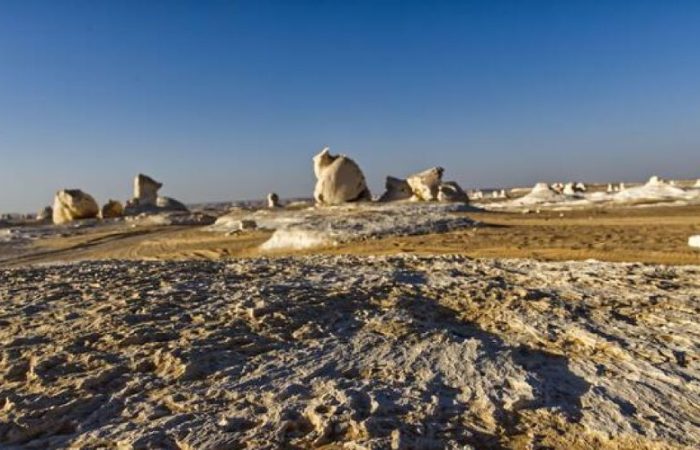
The Western Desert contains important oasis settlements including Siwa, Bahariya, Farafra, Dakhla, and Kharga.
Some are towns rather than major cities, but they are culturally and geographically significant.
Unlike a Cairo–Luxor–Aswan itinerary, desert routes require particular attention to distances, permits, transport arrangements, and regional travel advice.
Planning tip: Egypt may appear compact on a small map, but journeys between major destinations can involve several hours of driving, overnight rail travel, or domestic flights. Group nearby cities together rather than moving repeatedly between the north and south.
Best Cities to Visit in Egypt in 2027
1. Cairo: Egypt’s Capital and Cultural Center
Best for: First-time visitors, museums, architecture, shopping, food, and history
Cairo is the capital city of Egypt and the natural starting point for many international journeys.
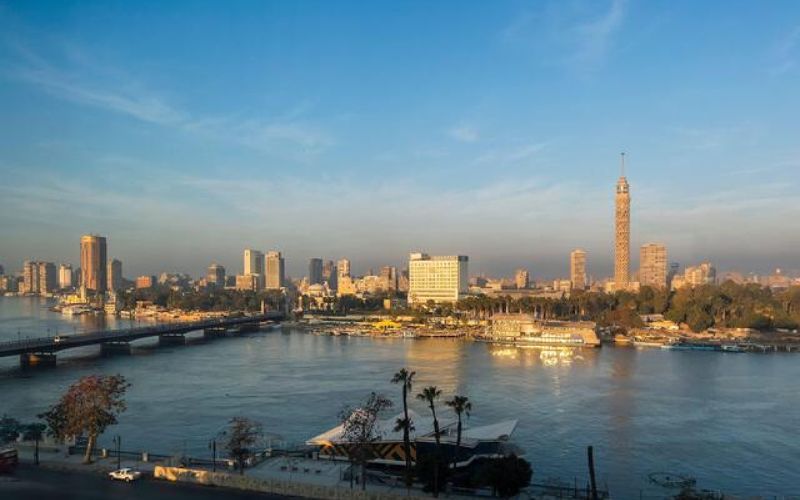
Located beside the Nile, Cairo is a vast metropolis where neighborhoods built during different historical periods exist alongside contemporary districts, business centers, and residential developments.
The city’s character changes dramatically from one area to another.
Downtown Cairo features nineteenth- and twentieth-century architecture, busy streets, cafés, and cultural institutions. Islamic Cairo contains medieval mosques, historic markets, and extraordinary examples of Fatimid and Mamluk architecture.
Old Cairo preserves important Christian religious sites and connections to the city’s earliest Islamic settlement.
Modern areas such as Zamalek, New Cairo, and parts of Heliopolis offer a different experience, with restaurants, shopping centers, hotels, and contemporary urban life.
What are the best places to visit in Cairo?
The most important attractions include:
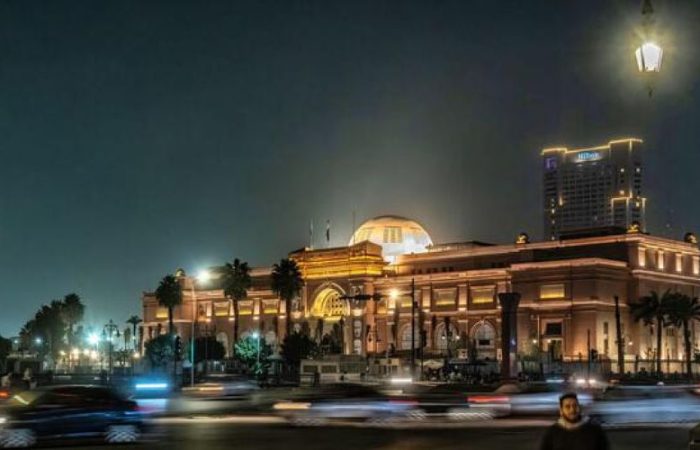
- The Egyptian Museum in Tahrir Square.
- The Citadel of Saladin and Mosque of Muhammad Ali.
- Al-Muizz Street and its medieval monuments.
- Khan el-Khalili Bazaar.
- Al-Azhar Mosque and the surrounding historic area.
- The Hanging Church and other landmarks in Coptic Cairo.
- The National Museum of Egyptian Civilization in Fustat.
- Cairo Tower and the Nile riverfront.
- Historic neighborhoods and traditional markets.
A particularly rewarding experience is walking through Islamic Cairo, where architectural details reveal how the city developed through successive dynasties.
The historic city was founded as the Fatimid capital in 969 CE, although earlier settlements such as Fustat occupied areas that are now part of Greater Cairo.
How many days do you need in Cairo?
Allow at least two full sightseeing days for central Cairo, Islamic Cairo, and major museums.
Three or four days provide a more comfortable introduction, especially if your visit includes the separate Giza area.
A practical schedule might include one day for historic Cairo, another for major museums, and an additional day for contemporary neighborhoods or slower cultural experiences.
Travel times are an important consideration. Cairo’s traffic can be heavy, and attractions that look close together on a map may require substantial time to reach.
For a deeper look at the capital’s neighborhoods and attractions, explore the Cairo city guide.
2. Giza: The City of the Pyramids
Best for: Pyramids, ancient history, archaeology, and museums
Giza is one of Egypt’s most internationally recognized destinations, although it is sometimes incorrectly described as simply a district of Cairo.
Administratively, Giza belongs to Giza Governorate and is distinct from Cairo Governorate. In everyday travel planning, however, the two cities form part of the same enormous metropolitan area.
The principal reason travelers visit Giza is the Giza Plateau, home to the Great Pyramid of Khufu, the Pyramid of Khafre, the Pyramid of Menkaure, and the Great Sphinx.
These monuments were constructed during Egypt’s Old Kingdom, primarily in the Fourth Dynasty.
The Great Pyramid is the only surviving monument among the traditional Seven Wonders of the Ancient World.
What should you see in Giza?
The main experiences include:
- Exploring the Giza pyramid complex.
- Viewing the Great Sphinx.
- Visiting selected pyramid interiors where admission is available.
- Exploring the Grand Egyptian Museum.
- Discovering the nearby archaeological landscapes of Saqqara and Dahshur.
The Pyramids of Giza and the Grand Egyptian Museum are two separate experiences that deserve adequate time.
The Grand Egyptian Museum, located near the plateau, fully opened to the public in November 2025. Its visitor facilities include major galleries devoted to Egyptian civilization and the Tutankhamun collection. Access arrangements, ticket categories, and opening schedules should be checked again before any 2027 visit.
SIS+1
For travelers deeply interested in archaeology, Giza also provides a useful starting point for visiting Saqqara, Memphis, and Dahshur.
These archaeological sites reveal how Egyptian royal tomb construction developed before and after the pyramids at Giza.
Should you stay in Cairo or Giza?
Choose Giza if you want accommodation close to the pyramids or plan to spend considerable time in the museum and archaeological area.
Choose central Cairo or Zamalek if restaurants, nightlife, historic neighborhoods, and access to different parts of the capital are more important.
A hotel beside the pyramids may offer extraordinary views, but it is not necessarily the most convenient base for exploring central Cairo.
The best option depends on your itinerary rather than distance to one landmark.
3. Alexandria: Egypt’s Mediterranean City
Best for: Coastal scenery, Greco-Roman history, seafood, and city breaks
Alexandria is Egypt’s most famous Mediterranean city and one of the country’s principal ports.
Founded by Alexander the Great in 331 BCE, Alexandria developed into a major center of Hellenistic culture, Mediterranean trade, scholarship, and political power.
It later became the capital of Ptolemaic Egypt.
Today, Alexandria offers an atmosphere noticeably different from Cairo.
The Mediterranean influences the city’s weather, architecture, food culture, and everyday rhythm. The Corniche follows the waterfront, while older neighborhoods preserve traces of the city’s cosmopolitan past.
Alexandria also contains remarkable archaeological remains from the Greek, Roman, and later Egyptian periods.
What are the main attractions in Alexandria?
The most rewarding landmarks include:
- Qaitbay Citadel, associated with the site of the ancient Lighthouse of Alexandria.
- Bibliotheca Alexandrina, the modern library and cultural complex.
- The Catacombs of Kom El Shoqafa.
- The archaeological remains at Kom El-Dikka.
- Pompey’s Pillar and the surrounding archaeological area.
- Montaza Palace gardens, subject to current access arrangements.
- The Corniche and historic waterfront neighborhoods.
- Local seafood restaurants and traditional cafés.
The Citadel of Qaitbay offers a particularly interesting connection between Alexandria’s ancient maritime importance and its medieval defensive history.
The original Lighthouse of Alexandria no longer survives. The present fortress was built centuries later on the same historic coastal location.
For visitors interested in ancient religious traditions, the Catacombs of Kom El Shoqafa are especially valuable because their decoration combines Egyptian, Greek, and Roman artistic elements.
Is Alexandria worth visiting from Cairo?
Yes, particularly if you have a free day or want to experience another side of Egypt.
Alexandria is commonly reached by train or private vehicle from Cairo. Depending on the service and route, the journey generally requires around three hours or more.
A day trip can cover a selection of major attractions, but an overnight stay allows time for the waterfront, restaurants, and a less hurried exploration.
Alexandria is especially attractive to travelers who enjoy independent urban exploration and cultural history.
Learn more about the city’s historic neighborhoods and attractions in the Alexandria travel guide.
4. Luxor: The Ancient City of Thebes
Best for: Egyptian temples, royal tombs, archaeology, and Nile cruises
Luxor is one of the most historically significant cities in Egypt.
The modern city occupies part of the ancient city of Thebes, which became a major religious and political center during the Middle and New Kingdoms.
For centuries, Thebes was associated with Amun, one of the most important gods in the Egyptian religious tradition.
Its enormous temple complexes and royal burial grounds demonstrate the wealth, political authority, and religious ambitions of ancient Egyptian rulers.
Today, Luxor’s principal archaeological landscape is divided by the Nile.
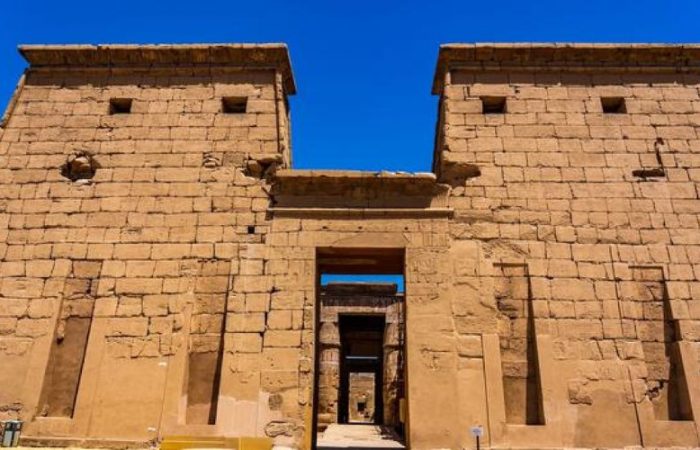
The East Bank contains the modern city, Luxor Temple, and Karnak Temple. The West Bank contains royal tombs, mortuary temples, and extensive ancient cemeteries.
The East Bank of Luxor
Luxor Temple stands close to the modern city’s riverfront.
Its architecture reflects several periods of ancient Egyptian history, including major construction associated with Amenhotep III and Ramses II.
Farther north, Karnak is an extensive religious complex developed by generations of rulers.
Its Great Hypostyle Hall, monumental gateways, courtyards, obelisks, and sacred spaces are among the most impressive surviving achievements of ancient Egyptian architecture.
Visitors exploring the Karnak Temple complex should allow enough time to understand the site’s enormous scale.
The West Bank of Luxor
The West Bank offers a different experience.
Here, the desert mountains rise behind the agricultural landscape, and ancient Egyptian rulers built tombs and commemorative temples.
Major attractions include:
- Valley of the Kings.
- Valley of the Queens.
- Mortuary Temple of Hatshepsut.
- Colossi of Memnon.
- Medinet Habu.
- Tombs of the Nobles.
- Deir el-Medina, associated with the community of royal tomb workers.
The Valley of the Kings is particularly important for understanding New Kingdom royal burial traditions.
Not every tomb is open simultaneously, and some require separate tickets. Check the available tombs before choosing which ones to visit.
How long should you stay in Luxor?
Two full days are a practical minimum for major archaeological attractions.
Three days allow more time for less-visited sites and a more comfortable pace.
Travelers with a strong interest in Egyptian history could easily spend four days or longer exploring the wider region.
Luxor also serves as a starting or ending point for many Nile cruise itineraries.
Important for 2027: On August 2, 2027, Luxor lies in the path of a total solar eclipse. The city is expected to experience approximately six minutes and twenty-two seconds of totality, making it a major destination for eclipse travelers. August is also an extremely hot period for sightseeing, so special arrangements will be necessary.
National Solar Observatory+1
5. Aswan: Nubian Culture and Beautiful Nile Scenery
Best for: Nile landscapes, Nubian heritage, temples, and relaxed sightseeing
Aswan is one of the most distinctive cities in southern Egypt.
Located beside the Nile, Aswan was historically an important gateway between Egypt and Nubia.
Its position supported trade, cultural exchange, military movements, and the transport of valuable materials.
The region’s granite quarries supplied stone for monuments, statues, and obelisks throughout ancient Egypt.
Unlike Cairo’s dense urban landscape or Luxor’s concentration of monumental archaeology, Aswan offers a quieter atmosphere shaped by the river and its islands.
Granite rocks, palm trees, traditional boats, colorful houses, and desert hills create some of the most recognizable scenery in the Nile Valley.
What should you see in Aswan?
Major attractions include:
- Philae Temple.
- Elephantine Island.
- The Nubian Museum.
- The Unfinished Obelisk.
- Aswan High Dam.
- The Old Cataract area and Nile riverfront.
- Traditional Nubian villages.
- The Botanical Garden on Kitchener’s Island.
- Historic monasteries and archaeological sites on the west bank.
The Philae Temple complex is particularly memorable.
Its monuments were relocated to Agilkia Island during the international campaign to protect Nubian heritage from rising waters associated with the Aswan High Dam.
Philae’s connection to the goddess Isis makes it one of the most important surviving centers of ancient Egyptian religious history.
Why is Nubian culture important in Aswan?
Aswan’s cultural identity reflects a long relationship between Egypt and Nubia.
Nubian communities have distinctive linguistic traditions, architectural styles, music, food, and cultural practices.
Visitors may encounter brightly painted houses, traditional crafts, and locally guided cultural experiences.
However, Nubian culture should not be treated simply as an attraction created for tourists. It is a living heritage with its own history and communities.
Choose experiences that involve local residents respectfully, compensate guides fairly, and respect photography preferences.
Is Aswan a good base for Abu Simbel?
Yes.
Aswan is the principal starting point for trips to Abu Simbel, where Ramses II commissioned two monumental rock-cut temples.
Abu Simbel lies approximately 280–300 kilometers south of Aswan, so a visit involves a substantial journey.
Travelers can arrange an organized road excursion or use available air services, depending on schedules and operating arrangements.
For a less exhausting itinerary, consider spending two or three nights in Aswan rather than treating it as a brief stop after Luxor.
Explore additional attractions in the Aswan city guide.
6. Hurghada: A Major Red Sea Resort City
Best for: Beach holidays, snorkeling, diving, and families
Hurghada is one of Egypt’s most popular Red Sea holiday destinations.
Originally developed from a relatively small coastal settlement, it expanded into a major tourism center with international hotels, diving facilities, restaurants, shopping areas, and holiday resorts.
The city stretches along the coast, and the wider holiday region includes several distinct resort areas.
Hurghada’s appeal is quite different from that of Cairo or Luxor.
Instead of organizing your days around temples and museums, you can focus on marine activities, boat excursions, relaxation, and excursions into the surrounding desert.
What can you do in Hurghada?
Popular experiences include:
- Snorkeling and diving excursions.
- Boat trips to offshore islands and reefs.
- Relaxing at hotel beaches.
- Exploring Hurghada Marina.
- Visiting local markets and restaurants.
- Desert excursions with licensed providers.
- Family-oriented water activities.
The area also provides access to specialist diving centers offering training for different experience levels.
Travelers should choose licensed operators, follow marine protection rules, and avoid activities that damage coral reefs or disturb wildlife.
Hurghada or Sharm El Sheikh?
Hurghada can be especially convenient for visitors combining a beach holiday with Upper Egypt.
Road connections to Luxor make it possible to combine Red Sea relaxation with archaeological sightseeing, although the journey requires several hours.
Sharm El Sheikh, on the other hand, is located in Sinai and offers its own combination of diving, mountain landscapes, and resort areas.
For travelers seeking a classic Red Sea stay, the choice often comes down to preferred hotels, flight connections, reef access, and the rest of the itinerary.
Explore more options in the Hurghada destination guide.
7. Sharm El Sheikh: Coral Reefs and Sinai Landscapes
Best for: Diving, snorkeling, resort holidays, and coastal relaxation
Sharm El Sheikh lies near the southern end of Egypt’s Sinai Peninsula.
The city is internationally known for its beaches, clear coastal waters, dive sites, and established hospitality infrastructure.
The surrounding landscape combines the Red Sea with the mountains and deserts of Sinai.
Important tourism areas include Naama Bay, Sharks Bay, Nabq, and the wider coastal resort developments.
Each area offers a different balance of beach access, restaurants, nightlife, and hotel facilities.
What are the best experiences in Sharm El Sheikh?
Travelers commonly visit Sharm El Sheikh for:
- Diving and snorkeling.
- Ras Mohammed National Park.
- Marine excursions near Tiran Island, subject to permitted routes.
- Beaches and resort facilities.
- Restaurants and shopping areas.
- Desert and mountain excursions.
- Family holidays and water activities.
The protected marine environment around Ras Mohammed is particularly important for coral ecosystems and marine biodiversity.
Visitors should respect park regulations and avoid touching reefs or collecting marine organisms.
Is Sharm El Sheikh suitable for first-time visitors?
Yes, particularly for travelers who want a relatively resort-focused introduction to Egypt.
Sharm El Sheikh can also be combined with Cairo by domestic flight.
However, it is not close to Luxor or Aswan, and combining all these destinations requires more careful transportation planning.
For a first-time historical tour, Cairo, Luxor, and Aswan should usually take priority. For a beach-centered holiday, Sharm El Sheikh may be the principal destination.
See the Sharm El Sheikh travel guide for more destination information.
8. Dahab: A Relaxed Coastal Town in Sinai
Best for: Independent travelers, diving, cafés, and a slower pace
Dahab is a coastal town on the Gulf of Aqaba in southeastern Sinai.
Compared with the larger resort developments around Sharm El Sheikh, Dahab has a more relaxed atmosphere.
Its waterfront is lined with restaurants, small hotels, diving facilities, and cafés.
The town attracts travelers who want to spend time beside the sea without following a heavily scheduled resort itinerary.
Dahab is particularly popular among divers because of its nearby shore-access dive sites.
The Blue Hole is one of the area’s best-known diving locations, but it includes serious depth-related hazards and is not suitable for inexperienced divers attempting advanced routes.
Choose activities appropriate to your certification and training.
Is Dahab better than Sharm El Sheikh?
Dahab is generally a better choice for travelers seeking smaller accommodations, informal waterfront dining, and independent exploration.
Sharm El Sheikh may be preferable if you want extensive resort facilities, family-focused hotels, and a broader selection of large luxury properties.
Dahab also works well as a short extension from Sharm El Sheikh.
Allow two to four days to enjoy the coastal atmosphere, diving, and nearby excursions without rushing.
9. Marsa Alam: A Quieter Red Sea Destination
Best for: Marine wildlife, diving, snorkeling, and peaceful resorts
Marsa Alam is a coastal destination in Egypt’s Red Sea Governorate.
The name is often used to describe both the town and a much larger tourism region extending along the coastline.
This distinction matters when booking accommodation.
A resort marketed as being in Marsa Alam may be a considerable distance from the town itself or from another resort in the same region.
Travelers should check exact hotel locations and airport transfer distances.
Marsa Alam is especially attractive for visitors interested in reef environments, marine biodiversity, and a more secluded coastal holiday.
What makes Marsa Alam different?
Compared with Hurghada, the wider Marsa Alam region generally offers a more dispersed resort landscape.
Many hotels are designed around direct beach access, diving facilities, and organized activities.
Some marine sites are associated with sea turtles, dolphins, and occasionally dugongs, although wildlife encounters can never be guaranteed.
Responsible operators maintain appropriate distances from marine animals and follow local environmental regulations.
Marsa Alam may be a good choice for couples, experienced divers, and travelers who prefer spending most of their holiday within a resort or marine setting.
It may be less convenient for visitors who want to walk between numerous restaurants, markets, and entertainment venues.
10. Faiyum City: An Introduction to Oasis Egypt
Best for: Local culture, regional history, and nearby natural attractions
Faiyum, also written Fayoum, is both the name of a city and the wider governorate.
The city serves as an administrative and commercial center for a region connected historically to the Nile Valley by the Bahr Yussef waterway.
Faiyum’s surrounding landscape includes agricultural areas, villages, desert terrain, archaeological sites, and Lake Qarun.
The region is known for its long history of settlement and agricultural development.
For international travelers, the attraction is often not the urban center alone but the broader Faiyum area.
What can travelers explore around Faiyum?
The wider region offers:
- Lake Qarun.
- Wadi El Rayan.
- Wadi El Hitan, also called Whale Valley.
- Tunis village and its pottery traditions.
- Archaeological remains from different historical periods.
- Agricultural landscapes and rural communities.
- Desert excursions with appropriate transport.
Wadi El Hitan is a UNESCO World Heritage Site recognized for important fossil evidence relating to the evolution of whales.
It is geographically separate from Faiyum city and should be planned as a dedicated excursion.
Travelers based in Cairo can visit parts of the Faiyum region on a day trip, but a longer stay is worthwhile if you want to combine several attractions.
The Faiyum Oasis guide provides more context about the wider destination.
11. Port Said: Egypt’s Mediterranean Gateway to the Suez Canal
Best for: Maritime heritage, canal history, and local city life
Port Said lies at the northern entrance to the Suez Canal on the Mediterranean coast.
The city developed during the nineteenth century in connection with the construction and operation of the canal.
Its history is closely tied to international shipping, trade, and the strategic importance of Egypt’s position between the Mediterranean and Red Sea.
Port Said is less commonly included in standard international tourism itineraries, but it has an interesting urban identity.
Visitors can explore waterfront areas, historic architecture, markets, and viewpoints connected with maritime activity.
The nearby city of Port Fouad lies across the canal.
Port Said is most appealing to travelers who have already explored Egypt’s principal archaeological destinations and want to understand the country’s more recent history.
For a first visit, allocate approximately one day.
12. Ismailia: The Garden City of the Suez Canal
Best for: Canal history, urban greenery, and regional exploration
Ismailia lies beside the Suez Canal near Lake Timsah.
The city developed during the canal-construction era and became an important administrative center for canal operations.
Its urban landscape includes historic buildings, landscaped streets, gardens, and waterfront areas.
Compared with Cairo, Ismailia feels smaller and less overwhelming.
The city is important in Egyptian history because of its relationship with the canal, transportation, and national political developments.
It also provides insight into the social and architectural history of nineteenth- and twentieth-century Egypt.
Most international visitors do not need to prioritize Ismailia on a short itinerary.
However, travelers interested in maritime infrastructure, regional history, or lesser-known Egyptian cities may find it rewarding.
Travel consideration: Certain areas east of the Suez Canal have specific security restrictions. Check the latest official travel advice before planning routes beyond the principal urban areas.
13. Suez: The Southern Gateway to the Suez Canal
Best for: Canal history, maritime geography, and short regional stops
Suez sits near the southern entrance of the Suez Canal, close to the northern end of the Gulf of Suez.
Its location gives the city considerable strategic and economic importance.
Suez is associated with maritime transport, industrial activity, and major events in modern Egyptian history.
Although it is not a conventional tourist destination like Luxor or Alexandria, its geography helps explain Egypt’s international commercial significance.
Travelers can encounter waterfront areas, local neighborhoods, and features connected with the city’s maritime past.
Suez also provides access toward Ain Sokhna, a separate Red Sea coastal resort area.
The city is most suitable for travelers interested in modern history or those already traveling through the surrounding region.
14. Mansoura: One of the Nile Delta’s Important Cities
Best for: Local Egyptian life, Delta culture, and regional history
Mansoura is the capital of Dakahlia Governorate and a significant urban center in the Nile Delta.
Located beside the Damietta branch of the Nile, the city plays an important role in education, commerce, and regional services.
Mansoura is not a major international sightseeing destination, but it offers a perspective on Egyptian urban life that is different from Cairo’s tourist areas.
The city is also associated with medieval Egyptian history, particularly events surrounding the Seventh Crusade during the thirteenth century.
Travelers exploring Mansoura can focus on its riverfront, local neighborhoods, markets, and regional cultural heritage.
For people visiting relatives, researching family connections, or exploring the Delta, Mansoura may be an important stop.
For a conventional first-time holiday, it is usually a secondary destination.
15. Tanta: Religious Heritage and Delta Traditions
Best for: Religious history, traditional markets, and local culture
Tanta is the capital of Gharbia Governorate and one of the notable cities of the Nile Delta.
It is especially associated with the mosque and religious complex of Ahmad al-Badawi, a major figure in Egyptian Sufi traditions.
The city is also known for traditional confectionery, commercial activity, and local markets.
Its location between Cairo and Alexandria makes it an important part of the Delta’s transport and commercial network.
Tanta provides opportunities to observe everyday Egyptian urban culture beyond internationally popular tourist destinations.
Visitors interested in religious architecture and cultural traditions may find it worthwhile.
However, tourists with limited time should generally prioritize Cairo, Alexandria, Luxor, and Aswan before adding Tanta.
16. Rashid (Rosetta): A Historic Nile Delta City
Best for: Ottoman-era architecture, Nile Delta history, and the Rosetta Stone story
Rashid, internationally known as Rosetta, is a historic city near the western branch of the Nile Delta.
Its name is famous because of the Rosetta Stone, discovered in 1799 during the French expedition to Egypt.
The stone became crucial to the decipherment of ancient Egyptian hieroglyphs in the nineteenth century.
However, the Rosetta Stone is not displayed in Rashid today. It is held by the British Museum in London.
The city itself preserves historic buildings and architectural features connected with its Ottoman-era commercial history.
Rashid is particularly interesting for travelers who enjoy smaller historic cities and want to understand Egypt’s relationships with Mediterranean trade and the Nile Delta.
A visit can be combined with a wider exploration of northern Egypt, depending on transportation arrangements.
17. Siwa: Egypt’s Distinctive Western Desert Oasis
Best for: Oasis culture, desert landscapes, natural springs, and slow travel
Siwa is an oasis town rather than one of Egypt’s largest cities, but it deserves consideration because of its cultural and geographical importance.
Located in Egypt’s Western Desert, Siwa has historically maintained a distinctive identity shaped by its relative isolation, local traditions, and Amazigh cultural heritage.
Its landscape includes palm groves, salt lakes, traditional settlements, desert formations, and archaeological remains.
Important sites and experiences include the Temple of the Oracle, the historic Shali settlement, and nearby natural springs.
Siwa also has associations with Alexander the Great, who visited the Oracle of Amun in antiquity.
Is Siwa suitable for a short Egypt holiday?
Usually not if the trip lasts only five or six days.
Siwa is remote, and travel from Cairo involves a long road journey.
It works better as a dedicated extension for travelers who have already seen Egypt’s main monuments or want a desert-focused experience.
For an extended stay, explore the Siwa Oasis travel guide.
Because desert conditions, road restrictions, and local travel requirements can change, independent visitors should verify current arrangements before departure.
Other Important Cities in Egypt Worth Knowing
Not every major Egyptian city belongs on a first-time tourist itinerary.
Some are particularly important for industry, regional history, agriculture, religion, education, or transportation.
Understanding their locations gives travelers a more accurate picture of Egypt beyond its famous monuments.
Minya: Archaeology and Middle Egypt
Minya is located along the Nile in Middle Egypt.
The city serves as a regional center and provides access to important archaeological landscapes.
The surrounding governorate contains sites connected with different periods of Egyptian history, including Beni Hasan and Tell el-Amarna.
Tell el-Amarna is particularly significant because it preserves remains associated with Akhenaten’s royal city.
Minya is a worthwhile destination for visitors with a serious interest in archaeology, especially those exploring sites beyond the standard Cairo–Luxor route.
Asyut: A Historic Upper Egyptian Center
Asyut, also spelled Assiut, is an important Nile Valley city in Upper Egypt.
Its long history reflects the importance of the river as a transportation corridor and agricultural resource.
Today, the city serves as a regional center for education, commerce, and administration.
Although relatively few international visitors spend time in Asyut, it is important for understanding the geography of southern Egypt.
The city is also relevant for travelers exploring Middle Egyptian archaeology and regional religious heritage.
Sohag: A Gateway to Abydos and Regional History
Sohag is another important city along the Nile.
The surrounding governorate includes significant archaeological and religious sites.
Abydos, located within Sohag Governorate, was one of ancient Egypt’s most important religious centers.
The Temple of Seti I at Abydos is especially famous for its detailed reliefs and association with the cult of Osiris.
Sohag is best suited to travelers who want to explore Egyptian history in greater depth.
Qena: Access to Dendera
Qena lies north of Luxor in Upper Egypt.
For travelers, its principal attraction is proximity to Dendera, where one of Egypt’s most impressive temple complexes survives.
Dendera Temple is particularly associated with Hathor, the Egyptian goddess connected with music, celebration, motherhood, and other religious traditions.
A visit to Qena or Dendera can be organized as an excursion from Luxor, depending on available time and transport.
Damietta: A Nile Delta Port City
Damietta lies near the Mediterranean and the eastern Nile Delta.
The city is associated with trade, manufacturing, and furniture production.
Its importance is primarily commercial and regional rather than archaeological.
Travelers interested in contemporary Egyptian industry, maritime culture, and Delta communities may find Damietta interesting.
It is not normally an essential destination on a short tourist itinerary.
Zagazig: A Major City in the Eastern Delta
Zagazig is the capital of Sharqia Governorate.
It is an important administrative, educational, and commercial center in the eastern Nile Delta.
The wider region contains archaeological sites connected with ancient settlements and religious centers.
Zagazig is most relevant to travelers exploring Delta history or visiting the region for personal or professional reasons.
Beni Suef: A Nile Valley City South of Cairo
Beni Suef lies south of Greater Cairo along the Nile.
It is the capital of Beni Suef Governorate and a regional center for trade, industry, agriculture, and public services.
The surrounding area has connections to Egypt’s long agricultural and religious history.
Beni Suef may be included in more specialized journeys through Middle Egypt, although most visitors traveling between Cairo and Luxor continue farther south.
Marsa Matrouh: A Mediterranean Holiday Destination
Marsa Matrouh is an important coastal city in northwestern Egypt.
It is known for sandy beaches and a summer holiday atmosphere that differs from the Red Sea resort experience.
The Mediterranean here can display striking shades of blue and turquoise, particularly in sheltered bays.
Domestic tourism is particularly important during the summer months.
For international visitors, Marsa Matrouh can be an alternative to Alexandria or the Red Sea, especially when planning a Mediterranean-focused holiday.
However, the best swimming conditions depend on beach location, currents, and seasonal weather.
El Alamein and New Alamein
The Alamein area lies on Egypt’s Mediterranean coast west of Alexandria.
Historic El Alamein is internationally associated with major battles of the Second World War.
The area contains memorials and military cemeteries connected with that history.
New Alamein is a modern urban development with residential buildings, hospitality facilities, and coastal infrastructure.
The two should not be treated as identical destinations.
Historic El Alamein appeals to visitors interested in twentieth-century history, while New Alamein is associated more closely with contemporary coastal development and leisure.
For travelers visiting in 2027, operating hotels, beach access, and local transportation should be confirmed before booking.
What Are the Largest Cities in Egypt by Population?
Cairo is Egypt’s largest metropolitan center, followed by Alexandria among the country’s principal urban agglomerations.
However, lists of Egypt’s biggest cities can vary significantly because different sources measure populations differently.
Some statistics refer to the population inside official municipal boundaries. Others include surrounding suburbs and adjacent urban settlements.
This distinction is particularly important in Greater Cairo, where Cairo, Giza, Shubra El Kheima, and surrounding areas form an interconnected urban region.
Egypt’s major population centers
| City | Geographic region | Urban importance |
| Cairo | Greater Cairo | National capital and metropolitan center |
| Alexandria | Mediterranean coast | Major port and urban center |
| Giza | Greater Cairo | Large residential and commercial city |
| Shubra El Kheima | Greater Cairo | Major industrial and residential center |
| Mansoura | Nile Delta | Important regional city |
| Tanta | Nile Delta | Commercial and religious center |
| Zagazig | Eastern Nile Delta | Administrative and educational center |
| El Mahalla El Kubra | Nile Delta | Major textile and industrial center |
| Asyut | Upper Egypt | Regional commercial and educational center |
| Sohag | Upper Egypt | Regional administrative center |
| Luxor | Upper Egypt | Cultural and tourism center |
| Aswan | Southern Egypt | Tourism and regional commercial center |
| Port Said | Suez Canal | Maritime and trading city |
| Suez | Gulf of Suez | Industrial and maritime center |
This table identifies major urban centers rather than presenting a strict population ranking. The order changes depending on whether city-proper, governorate, or metropolitan boundaries are used.
How many cities are there in Egypt?
Egypt has 27 governorates, but these are administrative divisions, not cities.
The country contains several hundred cities and many additional towns and villages. The exact count depends on the administrative classification and reporting year.
An earlier World Bank land-governance assessment cited 227 administratively recognized cities, but that historical figure should not be presented as a verified 2027 count because urban classifications and new-city development can change.
World Bank
For travelers, the distinction is straightforward: Egypt’s principal tourist destinations represent only a small portion of its urban landscape.
Why is Cairo much larger than other Egyptian cities?
Greater Cairo developed at a strategically important point near the beginning of the Nile Delta.
Its location helped it become a center of government, trade, transportation, education, and industry.
Over time, urban expansion connected older districts with newly developed areas.
Today, Greater Cairo extends across multiple governorates and includes distinct residential, business, industrial, and historic communities.
Understanding this metropolitan scale is important when choosing accommodation, planning transfers, or comparing distances between attractions.
What Is the Capital City of Egypt?
Cairo is the capital city of Egypt.
The city remains Egypt’s official capital, even though government functions have increasingly moved toward the New Administrative Capital east of Cairo.
The New Administrative Capital is a major planned development designed to accommodate government institutions, residential communities, businesses, and administrative facilities.
It should not automatically be described as having replaced Cairo as the constitutional national capital. Egypt’s official State Information Service continues to identify Cairo as the country’s capital.
Why do people confuse Cairo with the New Administrative Capital?
The confusion results from the relocation of government offices and the development of a new administrative district.
However, a seat of government and a legally designated national capital are not necessarily the same thing.
The New Administrative Capital represents a major shift in Egypt’s urban development, but Cairo continues to hold its established national identity, historic significance, and cultural role.
For international tourists, Cairo and Giza remain the principal destinations for the pyramids, museums, historic neighborhoods, and established sightseeing experiences.
Where is the New Administrative Capital?
The New Administrative Capital is located east of Cairo, toward the Suez corridor.
It contains substantial modern infrastructure, government buildings, commercial developments, and new residential districts.
Travelers interested in contemporary Egyptian architecture and city planning may find the area relevant.
However, it should not replace historic Cairo or Giza on a first-time sightseeing itinerary.
Ancient Egypt Cities: The Most Important Cities of the Pharaohs
Modern Egypt is built around an extraordinary historical landscape.
Many of the country’s ancient cities were political capitals, religious centers, trading ports, administrative settlements, or royal residences.
Some remain beneath modern towns. Others survive as archaeological landscapes, while certain ancient urban centers have almost completely disappeared.
Understanding ancient Egyptian cities helps explain why the country’s archaeological attractions are distributed across such a large area.
Memphis: One of Ancient Egypt’s Earliest Capitals
Memphis was among the most important cities in ancient Egyptian history.
Located near the southern entrance to the Nile Delta, it served as a political and administrative center during the Early Dynastic Period and Old Kingdom.
Ancient traditions associate its foundation with the unification of Upper and Lower Egypt.
Memphis occupied a strategically useful position between the Nile Valley and the Delta.
Its importance was also religious.
The city was closely associated with Ptah, a major deity connected with craftsmanship and creation.
What remains of Memphis today?
Relatively little of the ancient urban center survives visibly compared with the pyramids and temples elsewhere in Egypt.
However, the wider Memphite region contains extraordinary archaeological sites.
These include Giza, Saqqara, Abusir, and Dahshur, where royal tombs and pyramid complexes reveal the development of ancient Egyptian funerary architecture.
Visitors exploring Saqqara Necropolis can see the Step Pyramid of Djoser, one of the most important milestones in ancient Egyptian monumental construction.
The archaeological region is UNESCO-listed as Memphis and its Necropolis, including the pyramid fields from Giza to Dahshur.
Thebes: The Ancient City Beneath Modern Luxor
Thebes was one of ancient Egypt’s most influential religious and political centers.
It became particularly important during the Middle and New Kingdoms.
The city’s religious identity was closely connected with Amun, whose cult gained substantial prominence.
Thebes developed monumental temple complexes, administrative institutions, and royal burial areas.
Modern Luxor occupies part of this ancient landscape.
Karnak and Luxor Temple preserve major religious monuments, while the surrounding West Bank contains royal necropolises and mortuary temples.
UNESCO recognizes Ancient Thebes with its Necropolis as a World Heritage Site.
For travelers, Thebes is one of the clearest examples of how an ancient Egyptian city can remain visible within a modern urban destination.
Heliopolis: Egypt’s Ancient City of the Sun
Heliopolis was an important religious center in ancient Lower Egypt.
The ancient Egyptian name was Iunu, while the Greek name Heliopolis means City of the Sun.
The city was strongly associated with solar religion and the worship of Ra and Atum.
Priests at Heliopolis helped develop influential religious traditions, including important Egyptian creation accounts.
The site is located within the modern Cairo region around Ain Shams and Matariya.
Today, relatively little of the ancient city survives above ground.
One of its most important surviving monuments is the obelisk of Senwosret I.
Can travelers visit ancient Heliopolis?
Yes, although the experience is different from visiting Luxor.
Heliopolis does not preserve a vast standing temple complex comparable with Karnak.
Instead, visitors encounter surviving monuments and archaeological remains within a densely populated modern urban area.
The destination is particularly interesting for travelers who want to explore ancient Egyptian religion beyond the usual pyramid sites.
Akhetaten: The Royal City of Akhenaten
Akhetaten, located at modern Tell el-Amarna in Middle Egypt, was established during the reign of Akhenaten in the fourteenth century BCE.
The pharaoh developed the city as a new royal and religious center associated with the worship of the Aten.
Unlike older capitals that had evolved over centuries, Akhetaten was deliberately established to serve a particular royal vision.
Its layout included palaces, administrative buildings, religious structures, residential areas, and surrounding tombs.
After Akhenaten’s reign, the city declined and was largely abandoned as the royal court moved away.
Today, Tell el-Amarna is an archaeological landscape rather than a functioning ancient city.
It is especially important for understanding the religious and political changes of the Amarna Period.
Abydos: A Sacred City of Ancient Egypt
Abydos was one of ancient Egypt’s most significant religious centers.
Located in Upper Egypt, it became strongly associated with Osiris and beliefs surrounding death, regeneration, and the afterlife.
The region contains important early royal burial areas and later monumental temples.
One of its most celebrated surviving monuments is the Temple of Seti I.
The temple is known for its detailed reliefs, religious scenes, and royal inscriptions.
Abydos is particularly rewarding for visitors with an interest in ancient Egyptian religious traditions.
Although it is less frequently visited than Luxor, it provides valuable historical context.
Tanis: A Royal Center in the Nile Delta
Tanis was an important ancient city in the northeastern Nile Delta.
It gained political prominence during the Third Intermediate Period, when rulers associated with the Twenty-First and Twenty-Second Dynasties maintained important royal and religious institutions there.
The archaeological site includes temple remains, monumental fragments, and royal burial discoveries.
Tanis is especially significant because of the treasures discovered in several royal tombs.
Unlike Luxor, much of the site survives as an archaeological landscape rather than a concentrated group of standing monuments.
It is best suited to specialized archaeological itineraries.
Avaris and Pi-Ramesses: Ancient Cities of the Eastern Delta
The eastern Nile Delta contained several important royal and administrative centers.
Avaris is particularly associated with the Hyksos period, while Pi-Ramesses became a major royal residence during the Ramesside era.
These sites are essential to understanding Egypt’s political relationships with the eastern Mediterranean and western Asia.
Their surviving remains are considerably less visually accessible than the famous temples of Luxor.
Nevertheless, they are important for the history of urban development, military strategy, diplomacy, and trade.
Alexandria: The Great City of Hellenistic Egypt
Although Alexandria is a thriving modern city, it also belongs among Egypt’s most important ancient urban centers.
Following its foundation by Alexander the Great, Alexandria became a major Mediterranean capital.
During the Ptolemaic Period, the city was associated with the royal court, scholarship, philosophy, science, commerce, and cultural exchange.
Its ancient library and lighthouse became internationally famous.
Modern Alexandria still preserves archaeological evidence from the Greco-Roman period.
The city’s history provides a clear example of Egypt’s transition from pharaonic civilization into the Hellenistic and Roman Mediterranean worlds.
Fustat: An Early Islamic City That Helped Shape Cairo
Fustat was founded in the seventh century CE following the Arab conquest of Egypt.
It became an important administrative and commercial center before the foundation of Fatimid Cairo.
Over time, the development of surrounding settlements contributed to the larger urban landscape now known as Cairo.
Fustat is particularly important for understanding the transition between ancient, late antique, and Islamic Egypt.
The area contains important religious heritage, archaeological remains, and cultural institutions.
Visitors interested in this period can explore the wider Coptic Cairo district and nearby historic areas.
Which Ancient City Was the Capital of Egypt?
Egypt did not have one permanent capital throughout its history.
Different dynasties governed from different cities depending on military conditions, political priorities, religious traditions, and geographic considerations.
| Ancient city | Principal historical role | Modern geographic connection |
| Memphis | Early Dynastic and Old Kingdom capital | Near Mit Rahina, south of Cairo |
| Thebes | Major Middle and New Kingdom political and religious center | Luxor |
| Itjtawy | Middle Kingdom royal capital, exact location still uncertain | Faiyum–Memphis region |
| Akhetaten | Capital established by Akhenaten | Tell el-Amarna |
| Pi-Ramesses | Ramesside royal residence and capital | Eastern Nile Delta |
| Tanis | Important Third Intermediate Period royal center | Northeastern Nile Delta |
| Alexandria | Ptolemaic and Roman-era capital | Modern Alexandria |
| Fustat | Early Islamic administrative center | Modern Cairo |
| Cairo | Capital established during the Fatimid era | Modern Cairo |
Political authority was not always concentrated in one location. Important religious, military, and administrative institutions could operate in different cities simultaneously.
This is one reason travelers encounter major archaeological sites throughout the Nile Valley and Delta instead of in a single ancient capital.
What is the oldest city in Egypt?
There is no universally agreed answer.
Ancient Egypt contained numerous settlements that developed over thousands of years, and the answer depends on whether someone means the earliest settlement, the oldest continuously inhabited urban center, or the oldest known capital.
Memphis is one of Egypt’s earliest great political capitals.
Other places, including areas around Faiyum, Abydos, and historic Nile settlements, have extremely ancient occupation histories.
It is more accurate to distinguish these archaeological categories than to present one city as unquestionably Egypt’s oldest.
Egypt’s Underwater City: The Story of Thonis-Heracleion
One of the most unusual ancient Egyptian cities is Thonis-Heracleion.
This ancient port city was located in the region of Abu Qir Bay, near Alexandria.
Before Alexandria became Egypt’s major Mediterranean port, Thonis-Heracleion played an important role in trade and maritime connections.
The city’s remains now lie beneath the Mediterranean Sea.
Underwater archaeological research has uncovered buildings, religious structures, statues, inscriptions, and objects connected with its commercial and religious life.
Archaeologists have identified multiple processes contributing to the submergence of the ancient coastal landscape, including land subsidence and rising sea levels.
Can tourists visit the underwater city?
Thonis-Heracleion is not a conventional underwater tourist attraction with routine public access.
It remains an archaeological research environment.
Visitors interested in the subject should look for museum exhibitions, archaeological presentations, and educational material associated with Alexandria’s submerged heritage.
The site should not be confused with ordinary recreational diving attractions along Egypt’s Red Sea coast.
Modern Egypt Cities and Neighborhoods That Travelers Often Confuse
Some names commonly searched as Egyptian cities actually refer to districts, planned communities, residential developments, commercial complexes, or historic neighborhoods.
Knowing the difference helps prevent hotel-booking mistakes and misunderstandings about distances.
Sixth of October City, Giza
Sixth of October City is a planned urban development west of Cairo in Giza Governorate.
It contains residential neighborhoods, universities, hospitals, shopping centers, business facilities, and industrial zones.
The city is separate from central Cairo but forms part of the wider metropolitan region.
For tourists, it may be relevant when choosing accommodation near western Cairo, visiting relatives, or traveling to specific business or educational destinations.
However, an address in Sixth of October City should not be assumed to be close to downtown Cairo.
Nasr City, Cairo
Nasr City is a large district within Cairo.
It is known for its residential neighborhoods, commercial centers, shopping facilities, restaurants, and major roads.
Some visitors choose hotels in Nasr City because of business activities, events, or proximity to particular destinations in eastern Cairo.
However, Nasr City is not an independent Egyptian city.
Travelers should distinguish between Nasr City, New Cairo, and the historic center of Cairo when estimating journey times.
New Cairo and El Rehab City
New Cairo is a major modern development area east of central Cairo.
It includes residential compounds, commercial districts, universities, shopping centers, and business facilities.
El Rehab is a planned residential community within the wider New Cairo area.
Despite its name, El Rehab City should not be treated as a separate major tourist city.
Visitors may stay in these areas for business, family visits, or access to modern shopping and entertainment.
The disadvantage for conventional sightseeing is the distance from many historic attractions.
Cairo Festival City
Cairo Festival City is a mixed-use development in New Cairo.
It includes retail, commercial, residential, and leisure facilities.
The name can be misleading to international travelers unfamiliar with Cairo’s urban geography.
Cairo Festival City is not an independent city comparable with Alexandria, Luxor, or Aswan.
It is a specific development within the wider metropolitan area.
The City of the Dead, Cairo
The City of the Dead refers to historic cemetery districts in Cairo.
These areas contain important religious monuments, mausoleums, tombs, and architectural heritage.
Parts of Cairo’s historic cemeteries have also supported living communities over generations.
The term does not describe a separate city.
It refers to a complex historic landscape where burial traditions, religious architecture, and urban life intersect.
Visitors should approach these areas respectfully rather than treating residential communities or burial grounds as unusual tourist spectacles.
Garbage City, Cairo
The term “Garbage City” is commonly used by outsiders to describe parts of the Manshiyat Naser area associated with the Zabbaleen recycling community.
It is not the official name of an independent city.
The Zabbaleen have played an important role in Cairo’s waste collection, sorting, and recycling systems.
The community’s activities reflect complex economic and social relationships rather than simply an unusual visual attraction.
Travelers interested in the area should use respectful terminology and avoid intrusive photography or poverty-focused tourism.
Serenity Fun City, Egypt
Serenity Fun City is a resort-related name, not an Egyptian municipality or major urban center.
Travelers encountering the name while researching Egypt cities are generally looking for accommodation or resort information rather than a geographic city.
When booking any resort, verify its exact location instead of assuming the destination name identifies a separate city.
Which Egypt Cities Are Best for Different Travelers?
Choosing the right cities depends on travel interests, available time, mobility needs, and preferred pace.
| Traveler type | Recommended destinations | Why they fit |
| First-time visitors | Cairo, Giza, Luxor, Aswan | Egypt’s principal historical attractions |
| Ancient history enthusiasts | Giza, Luxor, Aswan, Minya, Abydos | Archaeology, temples, royal tombs |
| Families | Cairo, Giza, Hurghada, Sharm El Sheikh | Museums, landmarks, beach facilities |
| Couples | Aswan, Luxor, Alexandria, Red Sea resorts | Scenic hotels, cultural activities, relaxation |
| Divers | Sharm El Sheikh, Dahab, Hurghada, Marsa Alam | Reef and marine experiences |
| Cultural travelers | Cairo, Alexandria, Aswan, Rashid | Historic districts and living traditions |
| Independent travelers | Cairo, Alexandria, Luxor, Dahab | Variety of accommodation and experiences |
| Relaxed travelers | Aswan, selected Red Sea resorts | Slower itineraries and resort stays |
| Repeat visitors | Siwa, Faiyum, Delta cities, Middle Egypt | Less conventional routes |
| Short city-break travelers | Cairo and Giza; Alexandria | Concentrated attractions and transport options |
Best cities for families with children
For families, Cairo and Giza offer iconic landmarks and museums, while Hurghada and Sharm El Sheikh provide opportunities for beach activities.
The best combination depends on children’s ages and interests.
For younger children, alternating sightseeing days with lighter activities can make the trip more enjoyable.
Luxor is highly rewarding educationally, but extensive outdoor sightseeing can be tiring during hot weather.
Aswan may offer a more relaxed introduction to Nile landscapes and local culture.
Families can use the Egypt with kids guide to compare activities and plan an appropriate pace.
Best cities for senior travelers
Cairo, Luxor, and Aswan can work well for senior visitors when the itinerary includes comfortable transport, appropriate accommodation, and sufficient rest.
However, accessibility varies considerably.
Historic streets may have uneven surfaces, archaeological sites may include stairs or irregular pathways, and some tombs require walking through confined spaces.
Private transportation and carefully chosen hotels can reduce unnecessary physical demands.
Travelers with specific mobility requirements should confirm access at individual sites rather than relying on general statements that an entire city is accessible.
Best cities for solo travelers
Cairo, Alexandria, Luxor, Aswan, and Dahab can all appeal to independent travelers.
Cairo offers the widest variety of urban experiences.
Alexandria is attractive for coastal exploration and cafés.
Luxor and Aswan suit visitors interested in history and Nile landscapes.
Dahab offers a more informal coastal atmosphere.
Solo travelers should choose accommodation with a suitable location, arrange reliable transport when needed, and remain attentive to current travel advice.
How to Travel Between Cities in Egypt
Egypt’s major destinations can be connected through a combination of domestic flights, trains, private road transfers, and Nile cruises.
The right method depends on distance, comfort, budget, and how much time you want to spend traveling.
Travel connections between popular cities
| Route | Practical transport options | Planning considerations |
| Cairo–Giza | Private vehicle, taxi, ride-hailing | Allow for metropolitan traffic |
| Cairo–Alexandria | Train, private vehicle | Often around 2.5–4 hours by suitable train service |
| Cairo–Luxor | Domestic flight, train | Flight saves considerable time |
| Cairo–Aswan | Domestic flight, train | Long overland journey |
| Luxor–Aswan | Train, private vehicle, Nile cruise | Cruise requires several days and sightseeing stops |
| Cairo–Hurghada | Flight, intercity bus, private vehicle | Road journeys require several hours |
| Cairo–Sharm El Sheikh | Flight, road transport | Flight generally more convenient |
| Luxor–Hurghada | Private vehicle, suitable road service | Useful for combining history and beaches |
| Sharm El Sheikh–Dahab | Road transfer | Relatively straightforward regional connection |
| Aswan–Abu Simbel | Organized road transfer, available flights | Allow substantial travel time |
| Cairo–Faiyum | Road transfer | Possible day-trip region |
| Cairo–Siwa | Long road journey | Better planned as a multi-day extension |
Journey times are approximate and depend on the service, route, traffic, stops, and operating conditions. Confirm actual schedules before booking.
Traveling by train
Egypt’s rail network connects many cities along the Nile Valley and Delta.
Train travel can be particularly useful between Cairo and Alexandria, or between Cairo and cities in Upper Egypt.
Different train categories offer different comfort levels and journey times.
For longer journeys, travelers may consider suitable overnight services.
However, not every train is designed for international tourists, and facilities can differ substantially.
Check departure stations carefully, as major metropolitan areas may have multiple stations.
Traveling by domestic flight
Domestic flights are useful for journeys involving substantial distances.
Cairo to Luxor and Cairo to Aswan are particularly relevant routes.
Flying can reduce travel time, but airport transfers, security procedures, baggage collection, and possible schedule changes must be included in the overall journey.
A short flight is not necessarily equivalent to a short door-to-door transfer.
For a seven-day itinerary, domestic flights may allow you to see more destinations without sacrificing sightseeing time.
Traveling by private vehicle
Private road transport offers flexibility.
It is especially useful for:
- Visiting archaeological sites outside main city centers.
- Combining multiple nearby attractions.
- Traveling with children or older companions.
- Managing luggage between hotels.
- Exploring destinations with limited public transportation.
However, road distances can be substantial.
Avoid constructing an itinerary that requires several long road transfers on consecutive days.
Traveling by Nile cruise
A Nile cruise is a distinctive way to connect Luxor and Aswan.
Cruises typically include stops or excursions associated with important archaeological sites such as Edfu and Kom Ombo.
The experience differs from a direct train or road transfer because travel itself becomes part of the holiday.
Cruise durations, sailing schedules, and sightseeing programs depend on the vessel and itinerary.
Travelers can compare options through the Nile cruise itinerary guide.
Where Should You Stay in Egypt’s Major Cities?
Choosing the right neighborhood is often as important as choosing the right city.
Accommodation advertised under one destination name may be far from the attractions you intend to visit.
Where to stay in Cairo
Downtown Cairo is suitable for travelers interested in museums, architecture, restaurants, and central urban life.
Zamalek offers an appealing mix of hotels, cafés, restaurants, and riverfront surroundings.
Giza may be preferable for travelers prioritizing the pyramids and Grand Egyptian Museum.
New Cairo and eastern residential districts may suit business travelers or those visiting specific locations.
For more accommodation guidance, explore the Cairo hotels guide.
Where to stay in Alexandria
A hotel along the Corniche can provide convenient access to Mediterranean views and waterfront activities.
However, Alexandria stretches over a considerable distance.
Hotels in different coastal districts may be far apart, especially during busy traffic periods.
Choose accommodation based on whether you prioritize historic attractions, shopping, beach access, or a particular neighborhood.
Where to stay in Luxor
The East Bank is generally convenient for visitors seeking hotels, restaurants, railway access, and proximity to Luxor Temple.
The West Bank offers a quieter atmosphere and convenient access to important archaeological sites.
Both areas can work well.
The best choice depends on sightseeing priorities, transportation arrangements, and preferred accommodation style.
Where to stay in Aswan
Aswan’s Nile-facing hotels are particularly attractive for scenery and river access.
Accommodation is available in central areas, on islands, and around the wider river landscape.
Island hotels may offer beautiful surroundings but require consideration of boat transfers.
Travelers should check how luggage, airport arrival, and early-morning excursions are handled.
Where to stay on the Red Sea
In Hurghada, consider whether you want central city facilities or a more secluded resort.
In Sharm El Sheikh, different bays and resort districts provide different experiences.
In Marsa Alam, confirm the precise location of the hotel and its distance from the airport and intended activities.
For diving-focused trips, proximity to the relevant dive center or departure point may matter more than the nearest shopping district.
Best Time to Visit Different Egypt Cities in 2027
Egypt’s climate varies between the Mediterranean coast, Nile Valley, deserts, and Red Sea.
A single national weather recommendation does not describe every destination equally well.
Cairo and Giza
October through April generally provides more comfortable conditions for extended outdoor sightseeing.
Winter can bring cooler mornings and evenings, while summer temperatures make long visits to archaeological sites more demanding.
During warmer months, schedule outdoor attractions early and reserve indoor museums for the hottest parts of the day.
Alexandria
Alexandria’s Mediterranean location produces a different climate from Cairo and Upper Egypt.
Summer is popular for coastal holidays, although humidity and seasonal crowds can be significant.
Winter can be cooler, windier, and wetter than many visitors expect.
Spring and autumn are often attractive for walking, historic sightseeing, and waterfront experiences.
Luxor and Aswan
November through February is particularly popular for sightseeing in Upper Egypt.
Temperatures are generally more comfortable for visiting temples, tombs, and other outdoor archaeological sites.
March, April, October, and early November can also be rewarding, although warmer conditions are possible.
Summer travel requires careful planning because extreme heat can make lengthy outdoor excursions difficult.
Hurghada and Sharm El Sheikh
The Red Sea is a year-round tourism destination, but conditions vary by season.
Spring and autumn often offer a good balance between warm weather and outdoor activities.
Summer can be very hot, especially away from the immediate coast.
Winter may be pleasant for sun-seeking travelers, although wind and cooler water conditions can affect some activities.
Siwa and desert destinations
Cooler months are generally preferable for Western Desert travel.
Summer desert heat can be severe.
For remote areas, weather is only one consideration. Road conditions, local permits, transportation services, and current security advice are equally important.
For a detailed seasonal comparison, consult the Egypt weather guide.
Egypt Cities in 2027: Special Travel Considerations
The August 2, 2027 total solar eclipse
One of the most important date-specific events for travel planning in 2027 is the total solar eclipse on August 2.
Luxor lies within the path of totality.
This makes the city particularly relevant for travelers combining astronomical observation with ancient Egyptian history.
However, not all famous Egyptian cities will experience the same eclipse conditions.
For example, Aswan is expected to experience a very deep partial eclipse rather than totality within the city itself. Cairo also lies outside the path of totality.
Total Solar Eclipse in Egypt+1
Travelers should confirm their exact viewing location because even relatively short geographic distances can determine whether totality is visible.
Approved solar-viewing protection is essential during partial phases. Ordinary sunglasses are not sufficient.
Accommodation demand, local transport arrangements, and event-specific access conditions may also differ from a normal August visit.
Grand Egyptian Museum planning
The Grand Egyptian Museum is now a major part of the Cairo–Giza visitor experience.
Travelers planning 2027 itineraries should consider allocating a substantial portion of a day to the museum rather than treating it as a brief stop.
Combining the museum with the Giza pyramids is possible, but doing both thoroughly in one day may be tiring.
Museum hours, tickets, special exhibitions, and transportation arrangements can change.
For a closer look at the galleries and visitor experience, see the Grand Egyptian Museum guide.
New transport infrastructure
Egypt continues to develop transportation infrastructure, including road, rail, and urban transport projects.
However, travelers should not assume that every announced new railway or metro extension will be operational for their chosen 2027 travel dates.
Use confirmed operating services when planning connections.
New transport developments should be treated as potential improvements until officially available for passengers.
Are Egypt’s Major Cities Safe for Tourists?
Many of Egypt’s established tourism destinations have substantial visitor infrastructure, but safety cannot be guaranteed in any city.
Conditions vary by region, neighborhood, activity, and current events.
For international visitors, Cairo, Giza, Alexandria, Luxor, Aswan, Hurghada, and Sharm El Sheikh are major destinations with established tourism services.
However, some parts of Egypt are subject to official travel warnings.
As of November 2026, the United Kingdom’s travel guidance includes restrictions or warnings affecting particular border regions, North Sinai, sections of the Western Desert, and other specified areas. The advice does not apply uniformly to every destination in Egypt.
GOV.UK
Travelers should consult their own government’s current advice before departure.
Practical safety advice for city travel
- Use licensed transportation providers or established ride-hailing services where available.
- Keep valuables secure in crowded markets and transport areas.
- Avoid isolated areas after dark when unfamiliar with the neighborhood.
- Respect photography restrictions around government, police, and military facilities.
- Choose reputable guides for archaeological and desert excursions.
- Confirm official entry requirements before traveling.
- Carry adequate travel insurance and understand any policy exclusions.
- Allow additional travel time around major events and transport hubs.
Women traveling alone may also prefer carefully selected accommodation and prearranged transportation for late arrivals.
Families should pay particular attention to traffic, heat exposure, and road safety.
For further practical preparation, read the Egypt travel safety guide.
How Much Does It Cost to Visit Egypt’s Major Cities?
Travel costs vary considerably depending on the destination, accommodation standard, season, transportation, and style of sightseeing.
Cairo has a broad range of accommodation, restaurants, and transport options.
Luxor and Aswan may involve greater expenditure on guided sightseeing, attraction tickets, boats, and private transfers.
Red Sea resort destinations often use different pricing structures, particularly when meals and activities are included in accommodation packages.
| Expense | Budget approach | Mid-range approach | Luxury approach |
| Hotels | Simple hotels or guesthouses | Comfortable hotels | Premium or luxury properties |
| City transport | Public transport where practical | Ride-hailing and arranged transfers | Private vehicles with drivers |
| Sightseeing | Independent visits | Selected guided tours | Private guided experiences |
| Dining | Local restaurants | Mix of local and international dining | Premium restaurants |
| Intercity travel | Suitable trains and buses | Flights and selected private transfers | Flexible flights and private transport |
| Red Sea stays | Value-focused hotels | Established resorts | Luxury beachfront properties |
Which Egypt cities are most affordable?
Affordability depends more on spending choices than on a city’s name alone.
A traveler staying in central Cairo and eating in local restaurants may spend less than someone staying at a luxury resort.
Similarly, a short stay in Luxor can become expensive if it involves extensive private sightseeing and numerous separately ticketed sites.
When comparing costs, consider the full daily experience rather than hotel price alone.
Include attraction admission, transportation, meals, guides, and transfers.
For a broader budgeting approach, see how much a trip to Egypt costs.
Suggested Egypt Cities Itineraries for 2027
The following routes prioritize logical geography and realistic sightseeing.
They can be adjusted according to flight schedules, interests, and preferred travel pace.
5-Day Egypt Cities Itinerary: Cairo, Giza, and Alexandria
This route is suitable for travelers who want a short introduction without traveling deep into southern Egypt.
Day 1: Arrive in Cairo
Arrive at Cairo International Airport, transfer to your hotel, and enjoy a relaxed evening.
If arrival time permits, explore a nearby neighborhood or have dinner overlooking the Nile.
Day 2: Giza
Visit the pyramids and Great Sphinx.
Depending on your interests and available time, include the Grand Egyptian Museum or reserve it for a separate visit.
Day 3: Historic Cairo
Explore Islamic Cairo, major mosques, historic streets, or the Citadel.
Choose a manageable selection rather than attempting to cover every landmark.
Day 4: Alexandria
Travel to Alexandria.
Visit Qaitbay Citadel, Bibliotheca Alexandrina, and selected historic attractions.
An overnight stay is preferable if you want to avoid a very long day.
Day 5: Return and depart
Return to Cairo for your onward flight.
Allow a generous margin between an intercity journey and international departure.
7-Day Egypt Cities Itinerary: Cairo, Luxor, and Aswan
This route focuses on Egypt’s most important ancient historical destinations.
Day 1: Arrive in Cairo and settle into your hotel.
Day 2: Explore the Giza pyramids and Grand Egyptian Museum.
Day 3: Visit historic Cairo before traveling to Luxor.
Day 4: Explore Karnak Temple and Luxor Temple.
Day 5: Visit Luxor’s West Bank, then travel toward Aswan.
Day 6: Explore Philae Temple and Aswan’s Nile attractions.
Day 7: Return to Cairo or depart from an appropriate airport.
This is a relatively active itinerary.
Travelers who prefer a slower experience should consider spending more time in Luxor and Aswan.
10-Day Egypt Cities Itinerary: History, Nile, and Coast
Ten days allow a more balanced combination of major cities.
| Day | Destination | Suggested experience |
| 1 | Cairo | Arrival and rest |
| 2 | Giza | Pyramids and Grand Egyptian Museum |
| 3 | Cairo | Islamic Cairo and cultural sightseeing |
| 4 | Luxor | Travel and East Bank temples |
| 5 | Luxor | West Bank archaeological sites |
| 6 | Aswan | Transfer and riverside exploration |
| 7 | Aswan | Philae, Nubian culture, or Abu Simbel planning |
| 8 | Hurghada or Cairo | Transfer to final destination |
| 9 | Hurghada or Cairo | Beach day or additional sightseeing |
| 10 | Departure | Airport transfer |
For this itinerary, the transfer from Aswan to Hurghada requires careful planning and may consume much of a day. Travelers should compare available routes before choosing the coastal extension.
A simpler alternative is to return from Aswan to Cairo and use the remaining time for Alexandria or additional cultural attractions.
14-Day Egypt Cities Itinerary: A More Complete Journey
Two weeks provide greater flexibility.
A practical route could include:
- Three nights in Cairo and Giza.
- One night in Alexandria.
- Three nights in Luxor.
- Three nights in Aswan.
- Three nights at a Red Sea destination.
- A final night near the international departure airport, if required.
This approach reduces repeated changes of accommodation and makes it easier to include archaeological excursions.
A Nile cruise can replace some hotel nights between Luxor and Aswan.
Families or travelers who prefer a relaxed pace may benefit from fewer destinations and longer stays.
How to choose the right itinerary
For a first trip, the most effective strategy is usually to prioritize experiences rather than maximize the number of cities.
A visit to five destinations is not automatically better than a well-paced itinerary covering three.
Consider how long each transfer takes, whether attractions are outdoors, and whether your interests are concentrated in history, culture, or relaxation.
For travelers who want private transport and an itinerary built around their preferred cities, Touring In Egypt offers tailor-made Egypt holidays that can be adapted to different travel styles.
Common Mistakes When Planning a Trip Between Egypt Cities
Trying to visit too many cities in one week
Egypt’s historical attractions are spread across a considerable geographical area.
Attempting to visit Cairo, Alexandria, Luxor, Aswan, Hurghada, and Sharm El Sheikh in seven days would involve excessive travel and very limited sightseeing time.
Choose fewer destinations and explore them properly.
Confusing Cairo and Giza
Cairo and Giza form part of Greater Cairo but belong to different governorates.
Hotel locations and sightseeing distances can differ significantly.
A hotel described as being in Cairo may not provide convenient access to the Giza pyramids.
Assuming every Red Sea resort is near another
Hurghada, Sharm El Sheikh, and Marsa Alam are geographically separate destinations.
Travel between them may require long road journeys or connecting transportation.
Always verify the actual route.
Forgetting the difference between Upper and Lower Egypt
Upper Egypt is southern Egypt because it is upstream along the Nile.
Lower Egypt is the northern region toward the Nile Delta.
Understanding this terminology makes historical and geographical explanations much easier to follow.
Underestimating summer heat in Luxor and Aswan
Summer sightseeing in southern Egypt can be physically demanding.
Outdoor sites often provide limited shade, and long excursions may involve extended walking.
Plan appropriate hydration, sun protection, early starts, and rest periods.
Booking hotels without checking the neighborhood
Large destinations such as Cairo, Alexandria, and Hurghada contain neighborhoods and resort areas that can be far apart.
The lowest hotel price may not represent the best value if substantial transfers are required every day.
Treating ancient sites as modern cities
Memphis, Thebes, Heliopolis, and Akhetaten refer to ancient urban centers.
Some correspond to modern cities or districts, while others survive primarily as archaeological remains.
Always distinguish between the historical location and the modern travel destination.
Frequently Asked Questions About Egypt Cities
What are the most famous cities in Egypt?
Cairo, Giza, Alexandria, Luxor, Aswan, Hurghada, and Sharm El Sheikh are among Egypt’s best-known destinations. Cairo and Giza are famous for museums and pyramids, Luxor and Aswan for ancient temples and Nile heritage, Alexandria for Mediterranean history, and Hurghada and Sharm El Sheikh for Red Sea holidays.
What is Egypt’s largest city?
Cairo is Egypt’s largest metropolitan center. However, population figures differ depending on whether statistics refer to Cairo Governorate, the city proper, or the Greater Cairo urban agglomeration. Greater Cairo includes extensive urban areas that cross administrative boundaries.
Is Alexandria the second-largest city in Egypt?
Alexandria is generally identified as Egypt’s second major urban agglomeration after Cairo. Population comparisons can vary when statistical studies use different city boundaries or metropolitan definitions. Alexandria is also one of the country’s most important maritime and commercial centers.
How many major cities does Egypt have?
Egypt has numerous major cities distributed across 27 governorates. The exact number depends on how a major city is defined. For international tourism, roughly ten to fifteen destinations account for most common city-based travel routes, while many additional cities have substantial regional importance.
Is Cairo the capital of Egypt in 2027?
Cairo remains the officially designated capital of Egypt based on information verified in November 2026. The New Administrative Capital accommodates important government functions, but travelers should distinguish the relocation of administrative institutions from a formal change of national capital.
Which city in Egypt has the pyramids?
Giza is home to the famous Giza pyramid complex, including the Great Pyramid of Khufu and the Great Sphinx. The site belongs to Giza Governorate, within the Greater Cairo metropolitan area. Other pyramid fields are found at locations such as Saqqara and Dahshur.
Which city in Egypt is best for ancient history?
Luxor is among the strongest destinations for ancient Egyptian history because it preserves the temples and royal burial grounds of Thebes. Giza is essential for Old Kingdom pyramid history, while Aswan contains important monuments associated with Nubia and later Egyptian religious traditions.
Is Luxor the same as ancient Thebes?
Modern Luxor occupies part of the ancient city of Thebes. The surrounding archaeological landscape includes Karnak, Luxor Temple, the Valley of the Kings, and other monuments. Thebes was a major religious and political center during important periods of ancient Egyptian history.
What is the most beautiful city in Egypt?
Beauty is subjective. Aswan is often appreciated for its Nile scenery and granite islands, Alexandria for Mediterranean waterfront views, Luxor for its monumental heritage, and Cairo for its historic architecture and urban energy. The best choice depends on whether you prefer nature, archaeology, or city life.
Which Egypt cities are on the Nile River?
Important cities on or near the Nile include Cairo, Giza, Beni Suef, Minya, Asyut, Sohag, Qena, Luxor, and Aswan. Several Nile Delta cities are associated with branches or waterways of the Nile system, including Mansoura and Damietta.
Which cities should I visit on my first trip to Egypt?
For a first visit, prioritize Cairo, Giza, Luxor, and Aswan. These destinations provide an excellent introduction to the pyramids, museums, ancient temples, royal tombs, and Nile culture. Alexandria or a Red Sea resort can be added if you have additional time.
Which Egyptian city is closest to the Great Pyramids?
Giza is the city most directly associated with the Great Pyramids. The pyramid plateau is situated on the western edge of Greater Cairo’s urban area. Travel time from central Cairo depends on the departure neighborhood, traffic, and chosen transportation.
Is Aswan better than Luxor?
Luxor is generally better for travelers focused on monumental archaeology and royal tombs. Aswan is particularly attractive for Nile scenery, Nubian heritage, island landscapes, and a slower sightseeing pace. Most first-time visitors benefit from including both cities rather than choosing only one.
What is Egypt’s City of the Dead?
The City of the Dead is a name used for historic cemetery areas in Cairo. These districts contain tombs, mausoleums, religious monuments, and areas where communities have lived for generations. It is not a separate municipality or abandoned ancient city.
What is Egypt’s City of the Sun?
The ancient city of Heliopolis was known as the City of the Sun. Located in the modern Cairo region, it was an important center of solar worship associated with Ra and Atum. The ancient Egyptian name was Iunu, and its religious traditions influenced Egyptian ideas about creation.
Does Egypt have an underwater city?
Yes. The remains of Thonis-Heracleion lie beneath the Mediterranean Sea in Abu Qir Bay near Alexandria. The ancient port city played an important role before Alexandria became Egypt’s principal Mediterranean center. Archaeological research continues to investigate its submerged structures and artifacts.
Which city in Egypt is best for a beach holiday?
Hurghada and Sharm El Sheikh are two of Egypt’s most established beach destinations. Marsa Alam is attractive for marine-focused holidays, while Dahab appeals to travelers seeking a more informal coastal atmosphere. Marsa Matrouh is an alternative on the Mediterranean coast.
What are the safest cities in Egypt for tourists?
No city can be guaranteed safe, and a definitive safety ranking would be misleading. Cairo, Giza, Alexandria, Luxor, Aswan, Hurghada, and Sharm El Sheikh are established tourist destinations, but visitors should assess current government travel advice, neighborhood conditions, transportation arrangements, and their planned activities.
Can you travel between Cairo, Luxor, and Aswan by train?
Yes. Egypt’s railway network connects Cairo with major Nile Valley destinations, including Luxor and Aswan. Travel times and comfort vary by service. Domestic flights are an alternative for travelers who want to reduce time spent on long intercity journeys.
What is the best Egypt city for a short vacation?
Cairo and Giza are excellent for a short history-focused vacation because they contain major museums, monuments, and cultural attractions within one metropolitan region. Alexandria is appealing for a Mediterranean city break, while Hurghada or Sharm El Sheikh may be better for a short beach holiday.
Final Thoughts: Which Egypt Cities Should You Explore?
Egypt’s cities reveal a country far more diverse than its most famous archaeological landmarks suggest.
Cairo is the national capital and one of the most culturally complex urban destinations in the region. Giza preserves the monumental achievements of the Old Kingdom. Alexandria connects Egyptian history with the Mediterranean world.
Luxor offers extraordinary access to ancient Thebes, while Aswan introduces travelers to the landscapes and traditions of southern Egypt and Nubia.
Hurghada, Sharm El Sheikh, Dahab, and Marsa Alam provide opportunities to explore the Red Sea, while destinations such as Faiyum, Siwa, Rashid, Mansoura, and the Suez Canal cities reveal less familiar aspects of the country.
For a first journey in 2027, Cairo, Giza, Luxor, and Aswan are the most practical starting points.
Add Alexandria for Mediterranean history, the Red Sea for relaxation, or smaller regional cities for a more specialized cultural experience.
The most rewarding Egyptian itinerary is not necessarily the one covering the greatest number of cities. It is the one that provides sufficient time to understand the places you choose.