Ancient Egyptian temples are some of the most amazing structures ever built by human civilization. These magnificent and sacred Egyptian tourist attractions have stood for thousands of years, inspiring wonder in everyone who visits them. From the colossal columns of Karnak to the rock-cut splendor of Abu Simbel, ancient Egyptian temples showcase architectural brilliance that still astounds modern engineers and historians.
Whether you’re wondering how many temples are they in Egypt, or simply just interested in Egyptian temple architecture, ancient Egyptian temple art, or the spiritual practices of the pharaohs, these sacred monuments offer unforgettable experiences. Ancient Egyptian temples represent more than mere tourist attractions in Egypt; they are windows into a civilization that mastered art, astronomy, engineering, and spirituality.
If you’re planning to explore the top Egyptian temples, this comprehensive guide will help you understand what makes them so special, where to find the best-preserved examples, and how to make the most of your temple journey through ancient Egypt.
What Made Ancient Egyptian Temples So Special?

Ancient temples in Egypt were much more than places to pray. Ancient Egyptians believed these buildings were actual homes for their gods. Every ancient Egyptian temple was designed as a bridge between heaven and earth, where gods and humans could meet.
These temples were built over 3,000 years, starting from the Old Kingdom of Egypt all the way through the Ptolemaic period. Despite changes over the centuries, the main purpose stayed the same: honoring the gods and keeping them happy so they would protect Egypt.
How were the Ancient Egyptian Temples Built
When you visit Egyptian temples today, you’ll notice they all follow a similar pattern. Each ancient Egyptian temple was designed like a path leading from the outside world into the sacred inner rooms. This layout represented the journey from everyday life into the realm of the gods.
Most temples in Egypt start with huge gateways called pylons. These massive structures featured giant statues of Egyptian pharaohs and were covered with carved scenes showing battles and religious ceremonies. Walking through these pylons feels like entering another world entirely.
After the pylons comes an open courtyard where regular people could gather during religious festivals. Tall columns surround the courtyard, carved to look like papyrus plants or lotus flowers. The detail on every column shows the incredible skill of ancient Egyptian artists.
Going deeper into the Egyptian temple, you reach the hypostyle hall. This is a forest of massive columns that creates an atmosphere of awe. The most famous example is at Karnak Temple, where 134 enormous columns reach toward the sky. Sunlight streams through high windows, creating beautiful shadows that change throughout the day.
The Most Amazing Ancient Egyptian Temples
Karnak Temple

The temple of Karnak is the largest ancient Egyptian temple complex ever built. Located in Luxor, this massive site covers over 200 acres. It took nearly 2,000 years to complete! Walking through Karnak’s Temple feels like exploring an entire city dedicated to the gods.
The Great Hypostyle Hall at Karnak is breathtaking. It covers 54,000 square feet and has 134 columns, some reaching 70 feet high. Standing among these giant columns makes you feel tiny and amazed at what ancient builders could achieve.
Karnak was mainly dedicated to Amun-Ra, the king of Egyptian gods. Recently, the Avenue of Sphinxes connecting Karnak to Luxor Temple was restored. Now you can walk the same path that ancient priests walked thousands of years ago.
Luxor Temple

Luxor Temple is one of the most beautiful Egyptian ancient temples you’ll ever see. Unlike other temples built for specific ancient Egyptian deities, Luxor Temple was all about celebrating the pharaoh’s power and renewal.
The temple of Luxor looks especially magical at night when the lights make it glow against the dark sky. The huge statues of Ramesses II at the entrance, the graceful columns, and the well-preserved carvings make this temple absolutely stunning. It’s perfect for photography and for anyone who loves history.
Hatshepsut Temple

The Hatshepsut Temple is one of the best ancient Egyptian temples, which was built for the female Queen Hatshepsut and is near the tall rocks of Deir el-Bahri. It is an excellent example of ancient Egyptian buildings for tombs. Its structure of terraces and colonnades blends perfectly with the natural scenery, making a beautiful mix of art and nature. The temple is a unique historical prize because its beautiful reliefs tell the story of Hatshepsut’s divine birth and divine right to rule.
Abu Simbel

The temples at Abu Simbel, being located near Aswan, show the amazing skill behind ancient Egyptian temples construction. These temples were carved directly into a mountain by Ramesses II. Four giant statues of the pharaoh guard the entrance, each standing 65 feet tall.
Here’s something incredible: twice a year, on February 22 and October 22, sunlight shines deep into the temple to light up statues in the inner room, this is called the Abu Simbel Sun Festival. The ancient builders planned this thousands of years ago!
In the 1960s, the entire ancient Egyptian temple complex at Abu Simbel had to be moved to higher ground to save it from flooding. Engineers cut the whole temple into blocks and reassembled it on higher land. This massive project showed how much the world values these ancient treasures.
Philae Temple

The Philae Temple was built to honor the goddess Isis. This temple combines traditional Egyptian style with Greek and Roman influences. Like Abu Simbel, Philae was also moved to save it from flooding.
You can only reach the temple by a motor boat, which makes visiting it feel like an adventure. Evening light shows illuminate the temple’s columns and carvings while telling ancient stories. It’s a truly magical experience.
Kom Ombo Temple

The Kom Ombo Temple is a unique two-god temple on the banks of the Nile. It was built for the gods Sobek and Horus the Elder. This perfect temple complex lets people learn about how the ancient Egyptians believed in both good and evil and how important balance was in their religion. The fact that it is by the Nile adds to its beauty, and tourists have been enchanted by its views for hundreds of years.
Edfu Temple

The Temple of Horus at Edfu is the best-preserved ancient Egyptian temple in all of Egypt. Because it’s so well preserved, you can see exactly what these temples looked like when they were new.
The Edfu temple architecture, starting from its entrance, courtyard, halls, and inner rooms are all still standing in excellent condition. The walls are covered with hieroglyphic texts that describe religious ceremonies and ancient stories. Reading these inscriptions gives us amazing insights into how ancient Egyptians practiced their religion.
Esna Temple

The Temple of Esna is often called the most colorful temple in Egypt. Dedicated to Khnum, the ram-headed creator god, this hidden gem features a stunning Hypostyle Hall with 24 beautifully decorated columns.
The ceiling displays vibrant colors and detailed astronomical scenes that look almost new despite being thousands of years old. The temple sits below street level, and its remarkably preserved hieroglyphics and colorful decorations make it a must-see for anyone who loves ancient Egyptian art.
Dendera Temple

The Dendera Temple building is a doorway to the heavens. It was built for the goddess Hathor. Its beautiful astronomy ceiling, the Dendera Zodiac, is a work of art and science from ancient Egypt. It shows the stars and other objects in the night sky. Archaeologists and fans are still interested in the temple because it is grand and mysterious.
Abydos Temple

In ancient Egypt, the Temple of Seti I was in the holy city of Abydos. It was built to honor Osiris, the god of resurrection. This temple complex is famous for its well-preserved reliefs, such as “Abydos King List,” which tells about the old Egyptian pharaohs. Pilgrims and people interested in history are drawn to Abydos because of its spiritual atmosphere and deep ties to Egyptian creation myths.
Mortuary Temple of Ramesses III

The Mortuary Temple of Ramesses III at Medinet Habu was built for the brave king Ramesses III. It shows how strong and holy ancient Egypt was. This temple is dedicated as a fortress to protect the Theban cemetery, and it still stands as a sign of Egypt’s unshakable dedication to Ma’at, the holy order. The detailed wall reliefs show the pharaoh’s war wins and sacred ceremonies, which gives us a lot of information about life in ancient Egypt.
Ramesseum Temple

The Ramesseum is a temple built by King Ramesses II to honor the great king and his memory. This impressive building has huge figures, detailed wall reliefs, and a poem called “Ozymandias” written on it. The Ramesseum is a memory of how big Ramesses II’s plans were and how important he was to Ancient Egypt.
Kalabsha Temple

The Kalabsha Temple complex is in the middle of Nubia and shows how Egypt has had a lasting effect on the area. This temple to the Nubian god Mandulis is an excellent example of how the Nubian and Egyptian cultures mixed. Its well-preserved reliefs and impressive buildings show that Egypt and Nubia had a lot of cultural exchange during their time together.
The Beautiful Art in Egyptian Temples

The walls of Egyptian ancient temples are covered with intricate carvings and paintings. These aren’t just decorations. They tell stories about gods, pharaohs, and the eternal battle between good and evil.
Every surface had a purpose. Ceilings showed the night sky with stars. Walls showed pharaohs making offerings to gods. Even floors sometimes had hidden rooms underneath. Nothing was left plain in the most sacred areas.
Colors had special meanings, too. Gold represented the gods’ flesh. Blue meant the Nile River and sky. Red could mean life or danger. Green represented new life and plants. Today, ancient Egyptian temple art restoration teams work hard to preserve these colors and the stories they tell.
Daily Life in Ancient Temples
Life in ancient Egyptian temples followed strict daily routines. Every morning, high priests would enter the innermost room and “wake up” the god’s statue. They would wash it, dress it, put perfume on it, and give it food and drink offerings.
Only priests and the pharaoh could enter the deepest parts of Egyptian temples. Regular people participated during festivals when statues of the gods were carried outside in grand processions. These celebrations included music, dancing, feasting, and lasted for days.
What happened to the Old Temples in Egypt?
As Egypt’s religion changed over the centuries, ancient Egyptian temples were abandoned. Some became churches. Others were buried by sand or mud from the Nile. Many were torn down, and their stones were used to build new buildings.
Europeans began rediscovering these temples in the 1800s. When scholars learned to read hieroglyphics in 1822, suddenly, all the writing on temple walls could be understood. These mysterious ruins became incredible historical records.
Visiting Egyptian Temples Today

Today, millions of people visit Egyptian temples every year. This tourism helps pay for preserving the temples, but large crowds can also damage these ancient structures.
The best times to visit most ancient Egyptian temples are early morning or late afternoon. The light is better for photos, it’s not as hot, and there are usually fewer people around.
Hiring a good Egyptian tour guide makes temple visits so much better ( we can serve you with this! ). They can show you details you might miss and explain what different carvings mean. The difference between visiting an ancient Egyptian temple with and without a guide is huge.
Protecting the Temples of Ancient Egypt
Ancient Egyptian temple art restoration faces many challenges today. Underground water threatens foundations. Pollution damages the stone and paint. Climate change brings more extreme weather. Tourists accidentally cause wear and tear. Salt in the stones makes them weaker.
International groups work with Egyptian authorities to protect these temples. Modern technology like 3D scanning helps create detailed records of the temples. This way, even if damage happens, we have complete information about how the temples looked.
Some ancient Egyptian temple complex sites now have glass barriers, restricted areas, and special climate control. These protective measures might affect the authentic feel of visiting, but they’re necessary to save these monuments for future generations.
Why These Ancient Egyptian Monuments Still Matter
The influence of Egyptian ancient temples spread far beyond Egypt. Greek and Roman buildings copied Egyptian designs. The tall obelisks that once stood in front of temples are now in cities around the world, from Paris to New York.
Modern spiritual movements sometimes find inspiration in ancient Egyptian beliefs. While we can’t fully understand what ancient Egyptians experienced in their temples, these buildings still inspire wonder and make us think about big questions about life and the divine.
Booking your Trip to Ancient Egyptian Temples

Ready to explore ancient Egyptian temples in comfort and style? We offer multiple ways to experience these magnificent monuments, all designed to maximize your time and create unforgettable memories.
Luxor Tours: Our comprehensive Luxor tours include Karnak Temple, Luxor Temple, the Valley of the Kings, and more. Choose from half-day, full-day, or multi-day packages with expert guides and private transportation.
Aswan Tours: Discover the beautiful temples of Aswan including Philae Temple, the Unfinished Obelisk, and optional excursions to Abu Simbel. We handle all logistics so you can simply enjoy the experience.
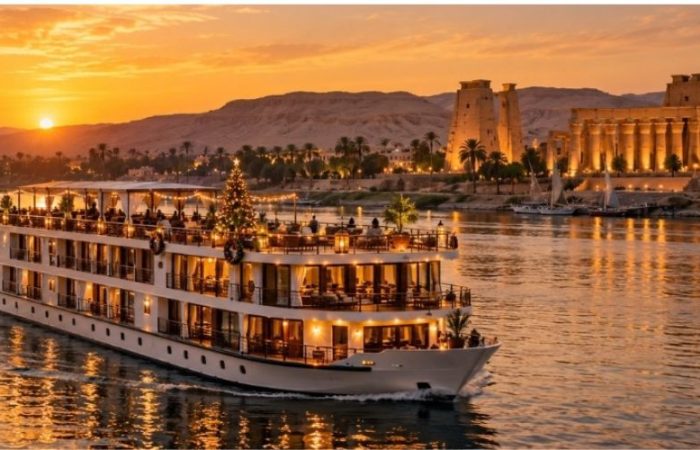
Nile Cruise Itineraries: Experience multiple the best temples in Egypt in one seamless journey. Our luxury Nile cruises sail between Luxor and Aswan, stopping at Edfu Temple, Kom Ombo Temple, and other spectacular sites. Enjoy 5-star accommodations, gourmet meals, and expert-guided temple visits.
Dahabiya Cruises: For intimate, boutique experiences, our traditional dahabiya sailboats carry just 8-12 guests. This slower-paced journey allows more time at each ancient Egyptian temple with personalized attention from your Egyptologist guide.
Custom Temple Tours: Want to focus exclusively on Egyptian ancient temples? We create specialized Egypt itineraries visiting the most important temple sites across Egypt, from Dendera, Abydos to Abu Simbel, tailored to your schedule and interests.
Our Egypt tour packages includes comfortable transportation, expert guides, entrance fees, and our 24/7 support. Contact Touring in Egypt today to book your perfect temple adventure!
Planning Your Temple Visit

When planning to see ancient Egyptian temples, try to visit both famous sites and smaller, less crowded ones. Karnak and Luxor Temple are must-sees, but smaller temples like Kom Ombo, Dendera, and Medinet Habu offer peaceful experiences with fewer tourists.
A Nile River cruise between Luxor and Aswan is a great way to see multiple Egyptian temples. You can stop at Edfu and Kom Ombo along the way, plus enjoy beautiful views of the Egyptian countryside.
If you love photography, know that many temples charge extra for cameras. Flash photography is usually not allowed because it can damage ancient colors. Tripods might not be permitted in crowded areas. Sunrise and sunset provide the most beautiful lighting for temple photos, and Please note that some temples require additional entrance fees beyond the standard admission price, and many charge extra fees for photography privileges.
The Mystery Continues….
Despite years of research, ancient Egyptian temples still hold secrets. Archaeologists keep making new discoveries. Hidden rooms, forgotten inscriptions, and overlooked details constantly teach us more about these incredible structures.
What makes Egyptian ancient temples truly special isn’t just their age or size. It’s the connection they create to people who lived thousands of years ago. Standing where ancient priests performed rituals, where pharaohs made offerings, and where believers sought divine help creates a powerful link across time.
Temples That Touch Eternity
Ancient Egyptian temples show humanity’s attempt to create heaven on earth. They demonstrate incredible building skills, artistic talent, and deep spiritual devotion. Each Egyptian temple tells stories of gods and kings, of cosmic order and human dreams.
Whether you love history, seek spiritual experiences, admire architecture, or simply enjoy travel, visiting ancient Egyptian temples offers something extraordinary. These aren’t just tourist sites. They’re sacred spaces that have stood for thousands of years, watching empires rise and fall.
The stones of Egyptian ancient temples have stories to share if we listen. They speak of a civilization that believed in eternal life and cosmic order. Walking through these ancient spaces, touching stones carved millennia ago, and reading words written by ancient scribes, we become part of that eternal story.
Your journey through ancient Egyptian temples is waiting. These magnificent monuments are ready to share their secrets, beauty, and timeless wisdom with everyone who visits them with respect and wonder.
Start planning your Egyptian temple trip itinerary today. These ancient wonders have survived thousands of years, and they’re waiting to amaze you just as they’ve amazed countless visitors before you. The experience of standing before these magnificent structures, feeling their history and power, is something you’ll remember for the rest of your life.