
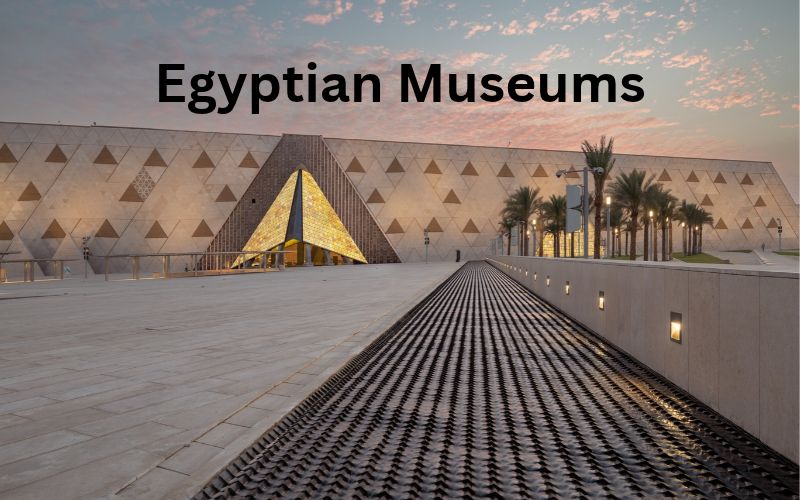
Egyptian museums are living archives of one of the world’s greatest civilizations: places where more than 5,000 years of pharaonic, Greco-Roman, Coptic, Islamic, and Nubian history are preserved, displayed, and brought back to life. Under soft gallery lighting, a gold funerary mask still gleams after 3,300 years. A colossal granite king gazes over the crowd. A tiny linen-wrapped cat, mummified out of devotion, rests in a glass case. Few countries tell their story as vividly through objects as Egypt does.
From the Grand Egyptian Museum beside the Giza Pyramids to the historic Egyptian Museum in Tahrir, the National Museum of Egyptian Civilization with its Royal Mummies Hall, and regional treasures in Luxor, Aswan, and Alexandria, Egypt’s museums are the best place to understand the temples, tombs, and pyramids you’ll visit. This guide covers the best museums in Egypt: what each one holds, what it feels like to walk through, and how to fit it into your trip.
Why Visit Egyptian Museums?
Monuments like the Pyramids of Giza, Karnak Temple, and the temples of Abu Simbel show you the scale of ancient Egypt. Museums show you the people: their jewelry, their games, their prayers, their medicine, and their ideas about life after death. Most of the objects were found in tombs and temples, so seeing them up close gives context to everything else on your itinerary.
Egypt’s museums also go beyond the pharaohs. They cover Greek and Roman Alexandria, early Christian Egypt, the great age of Islamic Cairo, and the living culture of Nubia.
Egyptian Museums in Cairo
Cairo is the heart of Egypt’s museum scene, with collections spanning the pharaonic, Coptic, and Islamic eras. Plan 2 to 3 days to see the highlights.
The Egyptian Museum in Tahrir
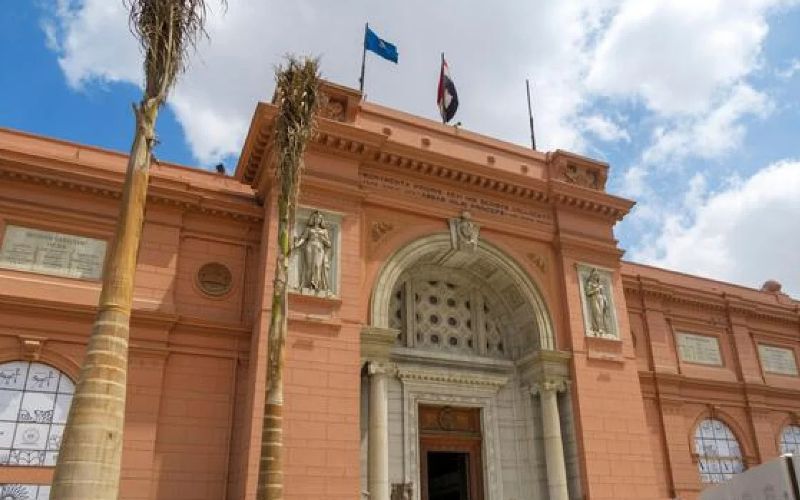
Best for: Classic atmosphere, iconic statues, deep collections
Opened in 1902 in a rose-colored neoclassical building overlooking Tahrir Square, the Egyptian Museum in Cairo is one of the oldest and most beloved archaeological museums in the world, with well over 100,000 objects. Part of its charm is its old-world feel: wooden-framed cases, high ceilings, and treasures that reward curiosity.
Look for the diorite statue of Khafre, the pioneering art of Akhenaten and the Amarna period, the statues of Prince Rahotep and Princess Nofret, and rich collections of papyri, coffins, amulets, and jewelry. With much of the Tutankhamun collection now at the Grand Egyptian Museum, the experience here is more reflective: the long sweep of Egyptian art through the Old, Middle, and New Kingdoms.
Tip: Go with an Egyptian Tour guide. Context makes the sheer number of objects far easier to enjoy.
National Museum of Egyptian Civilization (NMEC), Fustat
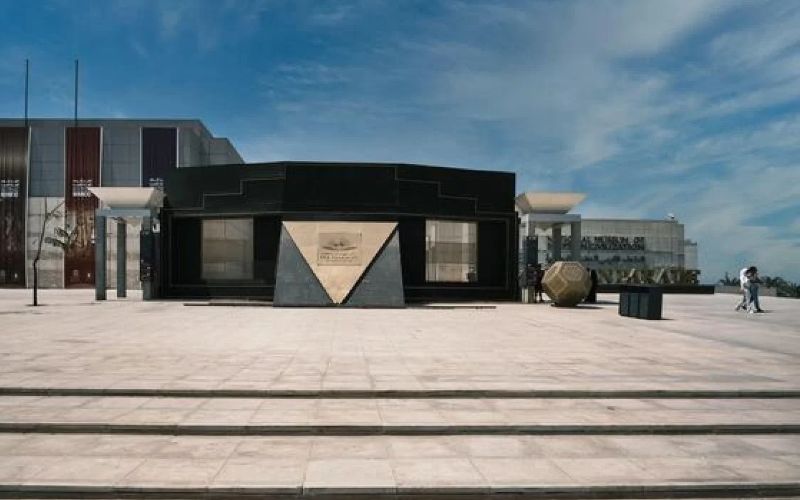
Best for: Royal mummies, the full story of Egyptian history
If the Egyptian Museum is a classic, NMEC is a modern storyteller. Set in Fustat in Old Cairo beside Ain El-Sira Lake, it traces Egyptian civilization from prehistory through the pharaonic, Greek, Roman, Coptic, Islamic, and modern periods.
Its most unforgettable gallery is the Royal Mummies Hall, where New Kingdom rulers, including Ramses II, rest in a hushed, dimly lit space designed to evoke a royal tomb. The mummies arrived in a televised procession through Cairo in 2021. Thematic galleries on daily life, writing, crafts, and textiles make NMEC a strong choice for families.
Museum of Islamic Art
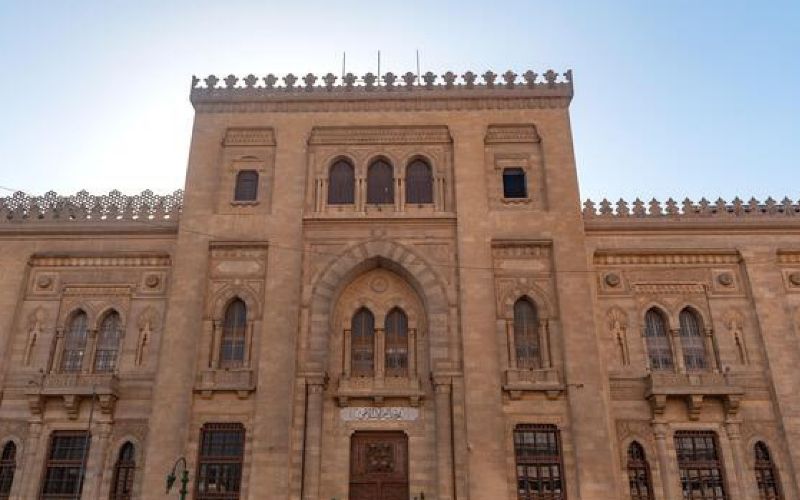
Best for: Calligraphy, ceramics, metalwork, medieval Cairo
This museum holds one of the finest Islamic art collections in the world: carved wooden panels, enameled glass mosque lamps, illuminated Qur’an manuscripts, astrolabes, inlaid brass, and textiles. It is a perfect prelude to exploring Islamic Cairo and Khan El-Khalili.
Coptic Museum, Old Cairo
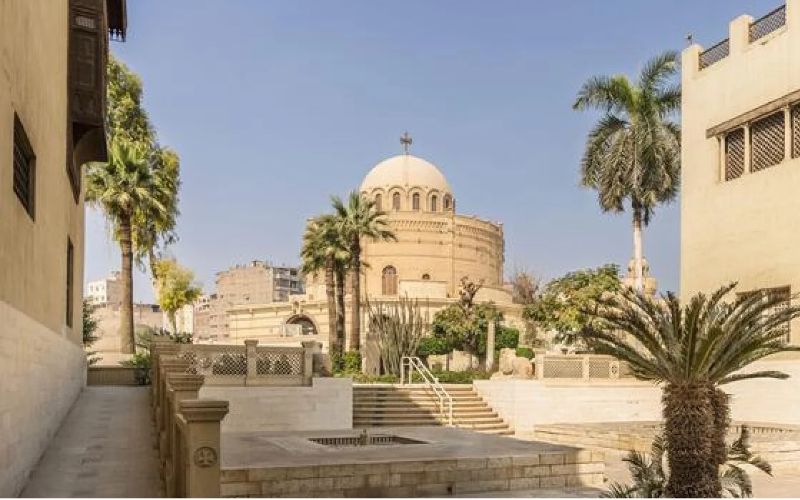
Best for: Early Christian art, textiles, manuscripts
Inside the ancient walls of Coptic Cairo, this museum displays icons, carved wooden ceilings, stone reliefs, manuscripts, and woven textiles showing how Egyptian, Greek, and Christian traditions blended. Pair it with the Hanging Church, the Ben Ezra Synagogue, and the church of Abu Serga.
Gayer-Anderson Museum and Manial Palace
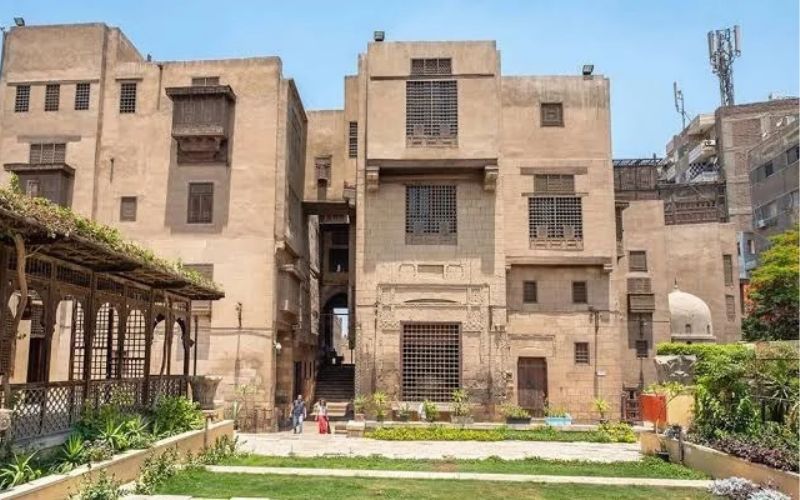
- Gayer-Anderson Museum: Two 16th- and 17th-century houses beside the Ibn Tulun Mosque, filled with Ottoman-style rooms, carved screens, and antiques.
- Manial Palace Museum: A royal palace on Roda Island with Ottoman, Persian, and Moorish styles set in lush gardens.
Egyptian Museums in Giza and Saqqara
Grand Egyptian Museum (GEM)
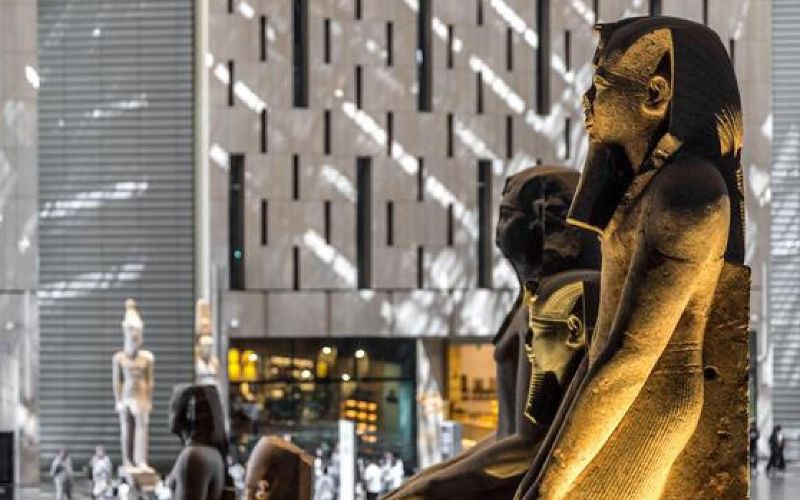
Best for: Tutankhamun, grand architecture, first-time visitors
The Grand Egyptian Museum is Egypt’s showpiece and the largest archaeological museum in the world devoted to a single civilization. It stands on the edge of the Giza plateau, close enough that the Pyramids of Giza appear through its vast glass walls.
You enter beneath a soaring atrium where a monumental statue of Ramses II greets you. The Grand Staircase, lined with statues, columns, and royal monuments in chronological order, takes you up through the centuries. At the top is the complete Tutankhamun collection, displayed together for the first time since the tomb’s discovery in 1922: the golden mask, ceremonial chariots, gilded shrines, thrones, and the personal belongings of a boy king. The Khufu Solar Boat is another highlight.
Tip: Book through official channels and plan 4 to 5 hours. Visit in the morning, then head to the pyramids in the afternoon.
Imhotep Museum, Saqqara
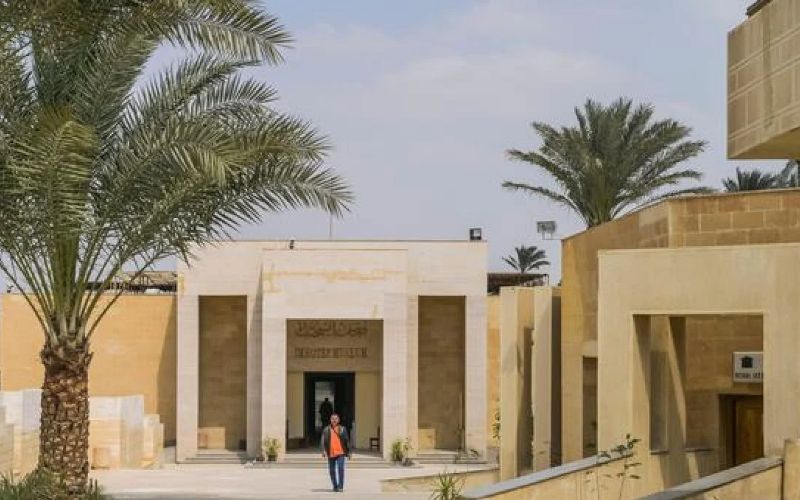
Best for: Pyramid history, a quiet stop
Beside the Step Pyramid of Djoser, this museum tells the story of Imhotep, the architect of Egypt’s first great stone monument. Statues, coffins, and objects found at Saqqara make it a thoughtful stop on a day trip combined with Dahshur and Memphis.
Egyptian Museums in Luxor
Luxor is often called the world’s greatest open-air museum, and its indoor museums make the temples and tombs far more vivid.
Luxor Museum
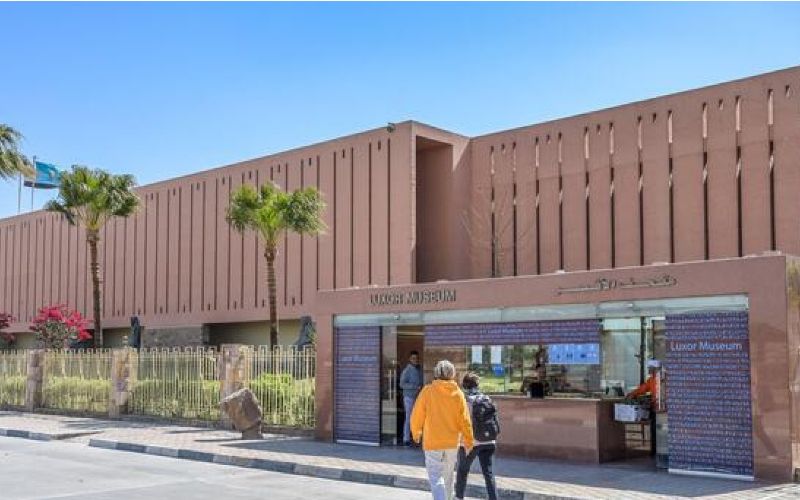
Best for: Thebes, quality over quantity
Small, calm, and beautifully lit, the Luxor Museum is a favorite for travelers who want a museum they can finish in an hour or two. Its collection comes from the Theban region and features sculptures of Amenhotep III and Thutmose III and New Kingdom artifacts. Visit before or after Karnak Temple, Karnak Temple, and the Valley of the Kings.
Mummification Museum
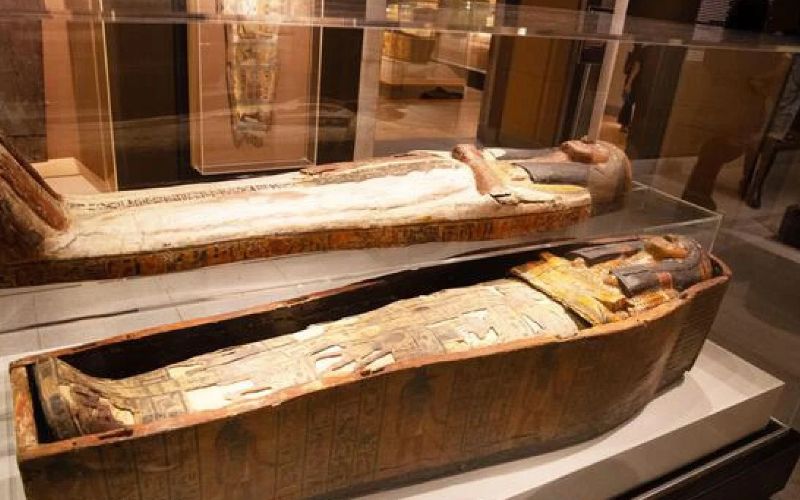
Best for: Understanding the embalming process
On the Nile corniche, this compact museum explains ancient Egyptian mummification with tools, oils, canopic jars, and linens, plus mummified animals including cats, birds, and crocodiles. It suits curious travelers of all ages.
Egyptian museums in Aswan
Nubian Museum
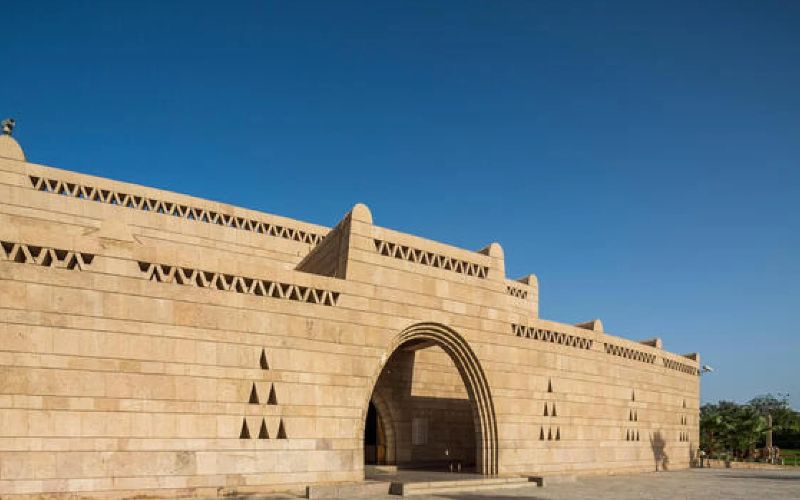
Best for: Nubian culture, Aswan itineraries
The Nubian Museum honors the people and heritage of Nubia, with a collection running from prehistoric times through the pharaonic, Coptic, and Islamic periods to the modern era. It includes reconstructed Nubian homes and exhibits about the temples relocated when Lake Nasser was created. Its landscaped gardens make it one of the most pleasant museum visits in Egypt, and it pairs naturally with Philae Temple, Elephantine Island, and a felucca ride on the Nile.
Egyptian museums in Alexandria
Alexandria National Museum

Best for: Layered Mediterranean history
In a restored Italianate palace in downtown Alexandria, this museum presents the city’s story through pharaonic, Greek, Roman, Coptic, and Islamic artifacts.
Graeco-Roman Museum and Bibliotheca Alexandrina
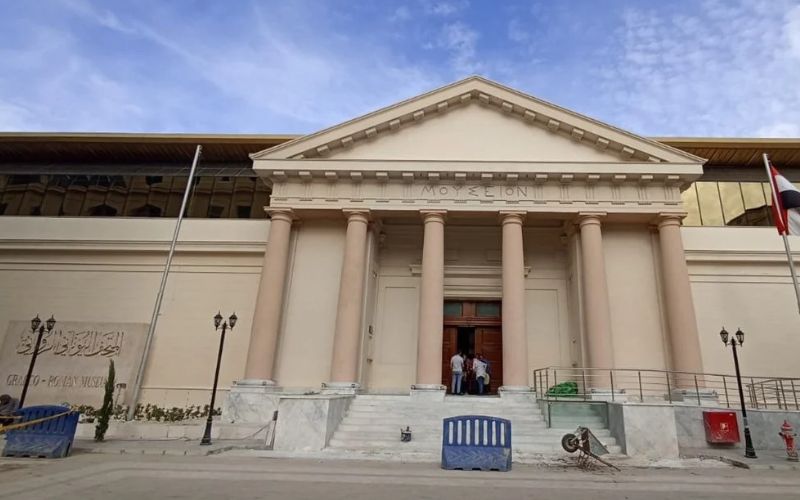
The Graeco-Roman Museum is essential for anyone fascinated by the Ptolemies. The Bibliotheca Alexandrina, a modern library inspired by the legendary ancient one, also houses an antiquities museum and manuscript collections.
Egyptian museums on the Red Sea: Hurghada and Sharm El Sheikh
Beach holidays can include a touch of culture. The museums in Hurghada and Sharm El Sheikh offer a gentler introduction to Egyptian heritage, ideal for a rest day between diving and snorkeling.
How to Plan Your Egypt Museum Tour
Choose by interest:
- Pharaohs and Tutankhamun: Grand Egyptian Museum (Giza)
- Mummies: NMEC (Cairo) and the Mummification Museum (Luxor)
- Classic Egyptology: Egyptian Museum in Tahrir (Cairo)
- Islamic and Coptic heritage: Museum of Islamic Art and Coptic Museum (Cairo)
- Nubian culture: Nubian Museum (Aswan)
Practical tips:
- Book in advance for major museums, especially the GEM.
- Check opening hours and ticket prices on official sources, as they change.
- Hire a licensed guide or use an audio guide.
- Go early for cooler weather and smaller crowds.
- Check photography rules, which vary by museum.
- Wear comfortable shoes and carry water.
Sample Itinerary
- Day 1 (Giza): Grand Egyptian Museum, then sunset at the pyramids
- Day 2 (Cairo): Egyptian Museum in Tahrir, Museum of Islamic Art, and Islamic Cairo
- Day 3 (Cairo): NMEC and Royal Mummies Hall, then Coptic Cairo
- Days 4 to 5 (Luxor): Luxor Museum and Mummification Museum
- Day 6 (Aswan): Nubian Museum and Philae Temple
- Optional (Alexandria): Alexandria National Museum and Bibliotheca Alexandrina
Frequently Asked Questions about the Egyptian museums
What is the best museum in Egypt?
The Grand Egyptian Museum in Giza, thanks to its scale, architecture, and the complete Tutankhamun collection.
Where can I see Tutankhamun’s golden mask?
At the Grand Egyptian Museum in Giza.
Where can I see the royal mummies?
In the Royal Mummies Hall at NMEC in Cairo.
Which are the best museums in Cairo?
The Egyptian Museum in Tahrir, NMEC, the Museum of Islamic Art, and the Coptic Museum.
Which Egyptian museum is best for kids?
NMEC in Cairo and the Mummification Museum in Luxor.
Are Egyptian museums worth visiting?
Yes. They turn ruins into stories and make every temple and tomb more meaningful.
Final Thoughts
Whether you are standing before the golden mask in Giza, wandering the historic halls of Cairo, tracing Thebes in Luxor, discovering Nubian heritage in Aswan, or exploring Greco-Roman history in Alexandria, Egypt’s museums bring the story of ancient Egypt to life face to face.